Grand Theft Auto 6 launch day is becoming more than a gaming event. It is a workplace problem, a cultural moment, and now a brand utility play from an Australian retailer.
What Mwave built
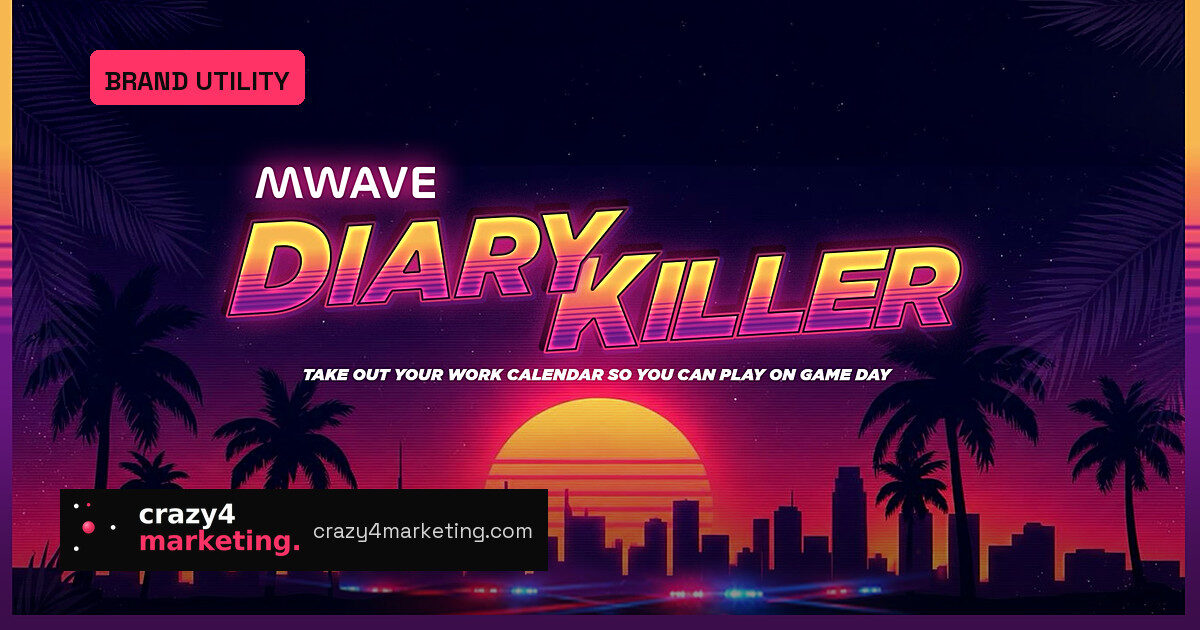
Mwave, an online gaming and technology retailer, has launched Diary Killer with agency The General Store. The tool fills a gamer’s work calendar with fake meetings and discussion topics based on their role and profession. The promise is simple: on Thursday, players can spend the day in GTA 6 without using annual leave or calling in sick.
The tool is live at mwave.com.au, and it arrives as GTA 6 is expected to cost the Australian economy millions through impromptu sick days. The government has already reminded workers of their obligations, so the campaign positions itself as a way to keep everyone happy: employees stay paid, and calendars stay full.
The creative idea
Sophie Lander, managing director at The General Store, described the concept as a GTA mission that begins at work: “The target was your calendar. The loot was a few hours in Leonida.” Executive creative director Sharon Edmondston pushed the angle further, calling it a heist of people’s calendars that books meetings that look legitimate.
Andrew Wang, head of sales and operations at Mwave, said the brand understands how gamers play and wants to give them tools to game better. In his words, employees can “game the system – and get paid for it.”
Why this matters for marketers
This isn’t a traditional awareness play. Mwave is not interrupting launch day with a banner; it is solving launch-day friction. That gap between what the audience wants to do and what the workplace requires is where brand utility wins attention.
The structure is worth copying:
- Find a cultural event your audience already plans around.
- Name the practical friction that event creates.
- Ship a small tool that removes that friction.
- Match the tool’s tone and format to the culture, not your category.
What to do about it
Performance teams can build micro-utilities like this in days, not months. The calendar integration matters because it makes the joke useful enough to use. A fake meeting generator without role-based topics would be a gag; with role-based topics, it becomes a tool people share.
The risk is that it can read as helping people deceive their employers. The campaign stays on the right side because it is clearly a playful launch-day stunt. Brands that copy the idea should keep the tone light and avoid positioning the tool as serious workplace advice.
The outlook
Launch day will show whether useful mischief drives more than laughs. If the tool is widely shared before Thursday, expect more brands to build “culture utilities” around the next big release. The lesson is already clear: when a moment creates friction, the brand that removes it earns the attention.