The bio link is a conversion lever, not a bookmark
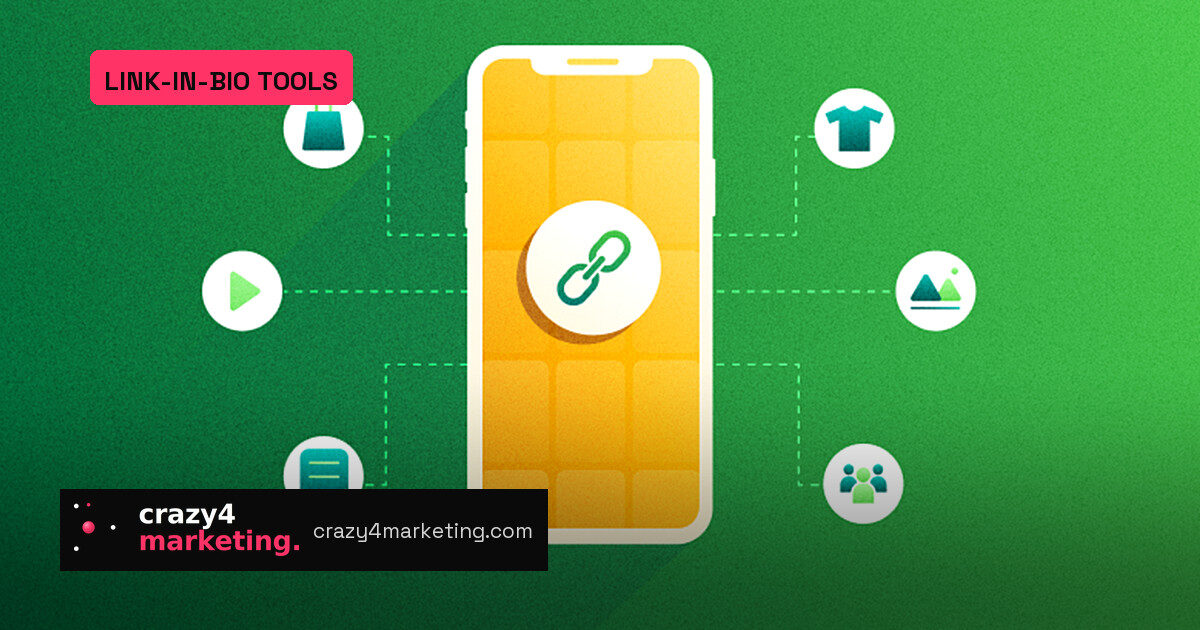
Instagram still gives you one clickable URL. Link-in-bio tools turn that single link into a landing page that can route every new post, product or booking to the right destination. The 2026 tool roundup from Sprout Social shows the category has split into three jobs: simple link lists, creator storefronts and campaign trackers.
Linktree, Lnk.Bio and Carrd handle the basics well. Beacons and Stan Store push into storefronts, courses, bookings and one-tap checkout. Shorby adds real-time click data and pixel retargeting for paid social teams. Same bio link, very different plumbing.
Linktree keeps setup friction low with a free tier and unlimited basic links. Carrd gives stronger layout control and up to three free responsive sites, but analytics and custom domains sit behind a paid plan.
Think of the bio link as the front door to a store. The tool decides whether a visitor walks into a brochure, a checkout counter, or a tracked campaign room. That choice changes the conversion math before you write a single ad.
The number that should change your default
Sprout Social’s own analysis found that customers using SproutLink, its built-in link-in-bio tool, saw an average 17% lift in profile engagement per day. The reason is not a fancier landing page alone. Because SproutLink sits inside the publishing workflow, you attach destination links as you schedule posts, and the clickable grid updates automatically.
For social teams, that removes the manual step between publishing and updating the bio page. For everyone else, it raises the bar for what a link tool should do.
Pick by job, not by buzzword
Before comparing pricing pages, ask three questions.
- What is the job? Selling digital products points to Stan Store or Beacons. A simple link list points to Linktree or Lnk.Bio. Campaign tracking points to Shorby.
- Who manages it? A solo creator can live in a lightweight tool. A social team needs multi-user access and a link page per profile.
- What does “free” actually cost? Free plans often limit analytics or customization. Beacons charges a 9% seller fee on its free plan; Milkshake charges 12%.
Then weigh whether a separate tool is worth the extra step. Native options can cost more, but they eliminate the manual update tax and keep engagement moving.
What to do this week
Audit where your bio link currently sends traffic. If you are manually swapping URLs after every post, choose a tool that automates that step. If your page has no analytics or pixel, you cannot prove the link is earning its place. If you are selling through the link, calculate seller fees before you scale.
The best link-in-bio tool is not the one with the most features. It is the one that removes the most friction between a tap and a transaction.
Source: Sprout Social