

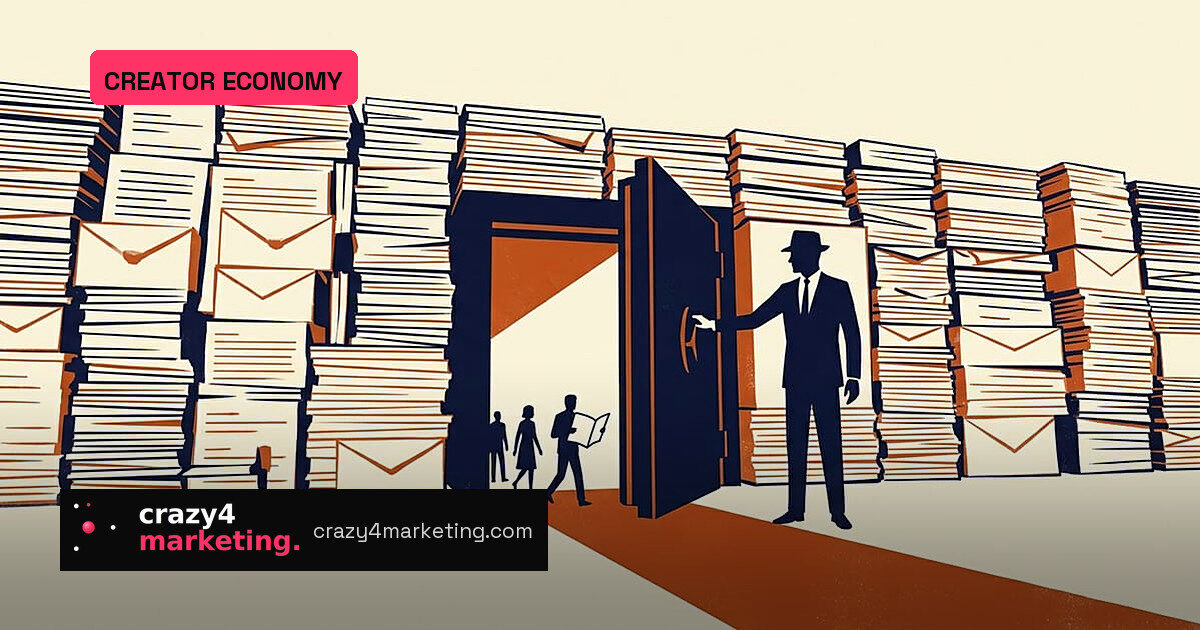
Substack is betting that the best brand message in a paid newsletter is the one that removes the paywall, not the one that interrupts the post. On October 8, 2026, the platform unveiled three sponsorship formats at Advertising Week New York, plus Kantar-powered brand lift studies for large campaigns.
The three formats
All three turn brand spend into reader access:
- The upgrade: A brand funds a month of paid access for a publisher’s free subscribers. Readers get the full publication free for a month; the brand earns goodwill if they convert.
- The unlock: A brand sponsors a single paid post and makes it free for everyone, including non-subscribers. Publishers get paid and can use the post as a sample.
- The masthead: A brand partners with writers on a theme in a dedicated Substack destination, like a digital zine, from gift guides to travel writing.
Substack is framing this as a sponsorship model, not an ad model. In the announcement, head of brand partnerships Dan wrote, “An ad grabs you by the collar; a sponsorship is the wind at your back.” The practical idea: brands pay to reduce the barrier between a reader and writing, rather than insert a message into it.
What’s still unknown
The post is light on commercial specifics. Substack has not published pricing, revenue splits, minimum budgets, launch dates, geographic limits or case results. The visuals are labeled mock-ups. Brands that have tested ideas are Balenciaga, Uber and T-Mobile. For now, Substack’s team manually matches small groups of publishers and brands; Creator Kits are private and only visible to connected brands.
Publisher eligibility has quietly widened. Creator Kits started for bestsellers in June, but the help center now lists them for bestseller publications and any publication with at least 100 paid subscribers.
Why it matters for growth teams
Creator budgets are big and getting harder to measure. IAB projects US creator ad spend at $44 billion for 2026, up from $13.9 billion in 2021. Yet an ANA report in August found 67% of marketers call influencer measurement the hardest step, and a TransUnion and EMARKETER study put confidence in influencer measurement at 44.4%, the lowest of any channel.
Substack’s response is brand lift, not clicks. The Kantar surveys track awareness, perception and consideration among exposed versus control groups. That is a useful signal for campaigns built on trust and association, though Substack has not defined “large-scale,” who pays, or sample sizes.
What to do about it
If you run creator partnerships, watch this as a format to test when it opens up: the pitch is sponsorship tied to reader access, not reach. If you publish on Substack, turn on your Creator Kit, set a minimum spend for each format, and use the private “Not interested” field to exclude brand categories you won’t work with.
The larger marker: platforms built on subscriptions are now chasing creator brand budgets. Substack is moving the opposite direction from YouTube and Spotify. It already has reader revenue and is adding brand money without replacing it.
Source: PPC Land


