SEO
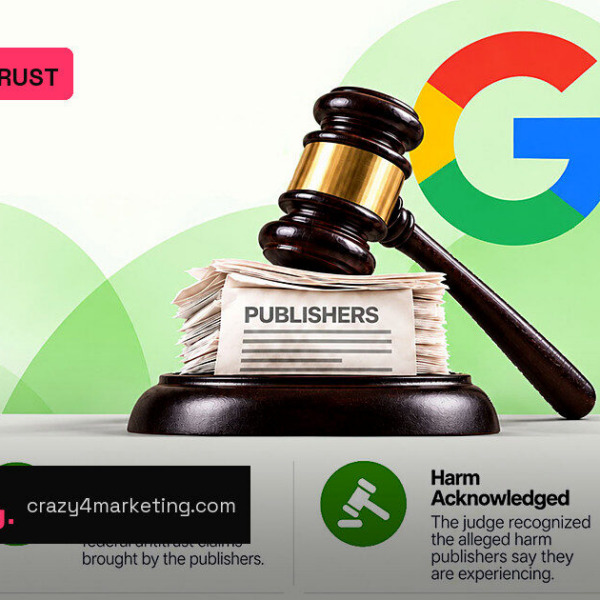
Judge Dismisses Google Antitrust Claims, Acknowledges Harm
Judge dismisses Chegg and Penske Media antitrust claims against Google, while acknowledging publisher harm and the high bar of federal antitrust law.
 crazy4marketing.
Judge dismisses Chegg and Penske Media antitrust claims against Google, while acknowledging publisher harm and the high bar of federal antitrust law.
The ruling against Penske Media shows why search referral traffic is an expectation, not a contractual right—and what that means for AI Overviews.

Google now requires manual fact-checking for AI content before publishing, including titles, meta descriptions, structured data and alt text.
Google has quietly added UTM parameters to Gemini's outgoing links, giving SEOs cleaner attribution for AI referrals. Here's what changes and what's still unclear.
The exact phrases that earn AI search citations are hiding in your call logs, chats and tickets. Here is how to turn them into AEO content.

Google is paying about 100 publishers for AI contributions, but small sites report less than 0.1% of ad revenue and little clarity on payouts.
Search now runs on two fronts: Google's results pages and AI answers. Here is where AEO and SEO overlap, where they split, and what to change.
Google's AI answer affirmed Lily Ray's SEOktoberfest win the same day, citing only her consultancy—and exposing how AI trust works.

AnswerShare's experiment shows that adding full brand context can flip AI models from warning buyers away to recommending a business.
Fact-checking AI output is no longer enough. Here's why ground-truthing, cross-team alignment and evidence-first PR decide what gets cited.