Creators are taking home twice as much from YouTube Shopping as they did a year ago, and the affiliate programme has passed 1.3 million enrolled channels. That is the headline from Mary Ellen Coe, YouTube’s chief business officer, in a video published on September 25, 2026. The clip, under five minutes, carries Coe’s remarks from the Made on YouTube event in New York.
The numbers underneath the headline
YouTube’s shopping model is affiliate: a retailer sets the commission, a creator tags a product, and money moves only when a viewer clicks through and buys. Coe said “creator payouts from commissions have doubled year-over-year” but gave no base, currency, or total, so the figure is directional rather than audited.
The channel count is easier to trace. In July 2025 YouTube reported more than 500,000 creators enrolled. After March 27, 2026, the affiliate programme opened to almost every Partner Program channel, including those with as few as 500 subscribers. The new 1.3 million figure works out to roughly 2.6 times the July level.
Here is the puzzle. Gross merchandise value through shopping grew five times in the year to mid-2025 and 13 times over two years, while participating channels grew by a similar multiple. Commission payouts, by comparison, doubled. Because affiliate payments are made through AdSense 60 to 120 days after purchase, many recent joiners have not been paid yet. The average payout per channel may be flat or lower even while the headline total rises.
Why this matters for brands and agencies
YouTube is not just talking about creators. Coe said the platform will invest “hundreds of millions of dollars in incentives to agency partners over the next couple years” to bring deals to creators. No total, recipients, criteria, or payment form was disclosed. That matters if an agency recommends a YouTube creator over another platform: the brand should know whether a YouTube incentive sits behind the recommendation.
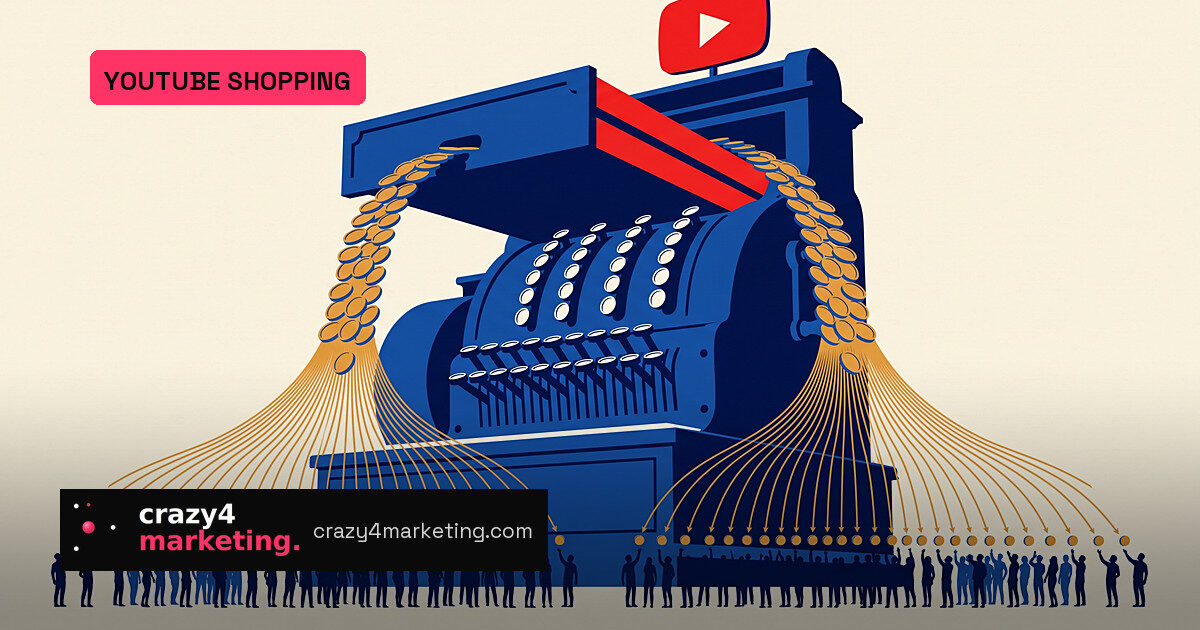
The product change with the widest reach is localised tagging. When a viewer in London clicks a product tagged by a creator in Los Angeles, YouTube says the tag will automatically update with a local offer, and the creator should earn from that sale. Coe summed the pitch up as: “creators are the new global storefront and your viewers are already lined up at the register.”
- Ask your agency whether YouTube incentives shape creator recommendations.
- Test local product tags in your main export markets, but confirm which merchant and rate applies.
- Lock paid amplification rights before a campaign launches.
- Treat commission growth as a total, not proof that every creator is earning more.
The fine print worth watching
The UK launched with a temporary full-commission incentive, and YouTube has said rates may fall as the programme moves to a more sustainable structure. Germany became the newest named market on September 3, joining Mexico and the UK; YouTube says it is on track for 35 markets by the end of 2026. That would require 19 more launches in just over three months.
YouTube also cited 60% growth in Shorts brand deals, but the source, metric, and year are unclear. Paid boosts of creator videos remain attractive, but rights need to be negotiated before a campaign starts rather than after. None of this makes YouTube Shopping a bad bet. It makes it a channel to test with the same rigour as any affiliate programme: track payout timing, read the disclosure rules, and ask who is being paid to recommend what.
Source: PPC Land