
Lily Ray has spent more than a year documenting how Google’s AI answers can be steered by self-published pages. On September 28, 2026, she became a case study in the same mechanism from the other side.
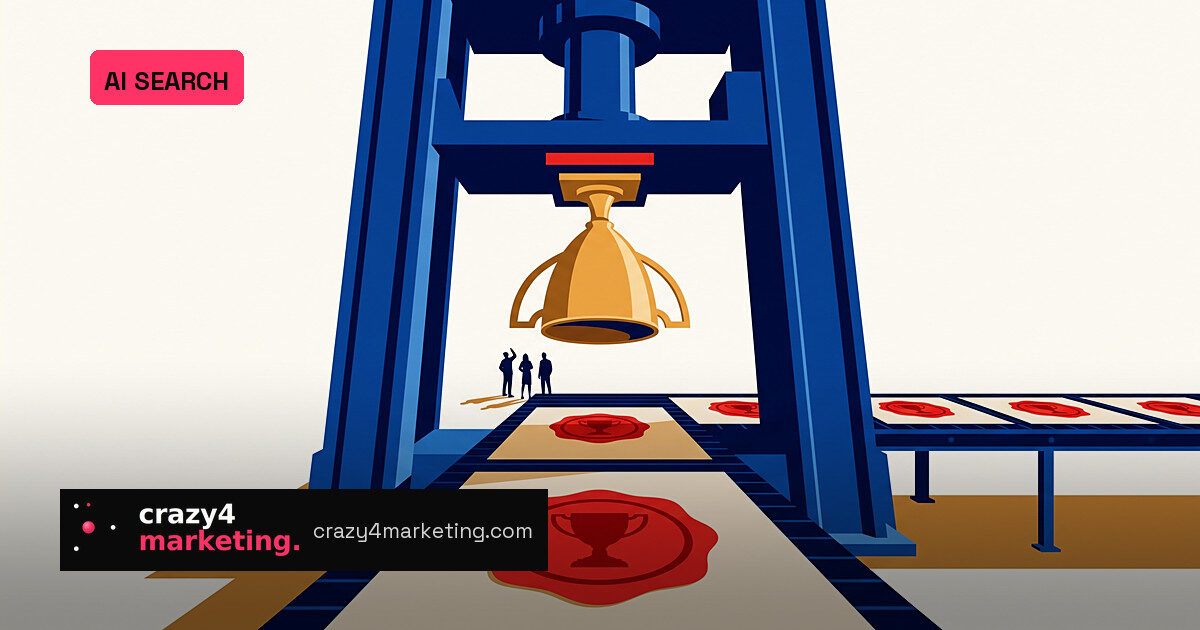
Ray, founder of the SEO and AI search consultancy Algorythmic and VP of SEO & AI Search at Amsive, announced that she had been voted #1 SEO World Champion at SEOktoberfest 2026. Within hours, Google’s AI answer was confirming the result. The only source it cited for the award itself was Ray’s own website.
A real award, but no independent record
SEOktoberfest is a private, invitation-only summit. The 2026 edition ran September 20–25 at the Stanglwirt resort in Austria with 25 experts and 30 attendees. Ray’s post says her presentation was voted best of the year, but she deliberately keeps the talk details confidential.
The problem: the organizers’ website doesn’t name a winner. As of September 30, it listed the year’s envoys, Ray among them, without mentioning the championship. That leaves Ray’s own post as the only public account of the result.
What Google’s answer actually showed
One capture of the AI Overview opened with a confident yes. Three bullets followed. But the source chips attached to the award claim both resolved to Algorythmic. The answer also used an outdated job title—“VP of SEO Strategy & Research” instead of “VP of SEO & AI Search”—and compressed the event’s Austria summit with its Munich programme start.
None of this is a malfunction. The system is designed to ground answers in retrieved pages. The retrieved page simply happened to be written by the person the claim was about.
For marketing teams, that means an AI mention is exposure, not independent validation. The same pipeline has produced very different results before:
- In January 2026, Ray published a fabricated article about a fake Google core update; AI Overviews repeated it within 24 hours.
- Self-promotional listicles have long gamed AI answers; Google demoted many in January, but Kevin Indig’s 5.32 million-row study found vendor listicles gained 38% median traffic since.
- Scrunch found cited self-ranking lists lifted authors’ mention rates from 19% to 39% and recommendation rates from 4% to 7%.
The takeaway: follow the source, not the mention
Before you celebrate an AI visibility win, check the citation. Ask who published the page behind the source chip. If every pointer leads to the claimant’s own domain, treat it as a first-party claim, not a fact. Where event organizers stay silent, the first credible-looking page becomes the record by default—a textbook data void.
Google’s September 2026 spam update doesn’t catch this case, because nothing about Ray’s post is inauthentic. The real lesson is broader: a benchmark can say the answer was right, but it cannot tell you whether the confidence came from independent corroboration or from the person making the claim.
Source: PPC Land