
The hook: one touch, every possible future
Nike launched “Write the Future” in May 2010, weeks before the World Cup in South Africa. The idea was deceptively simple: in a tournament, one pass, one tackle or one free kick can turn a footballer into a national hero or a punchline.
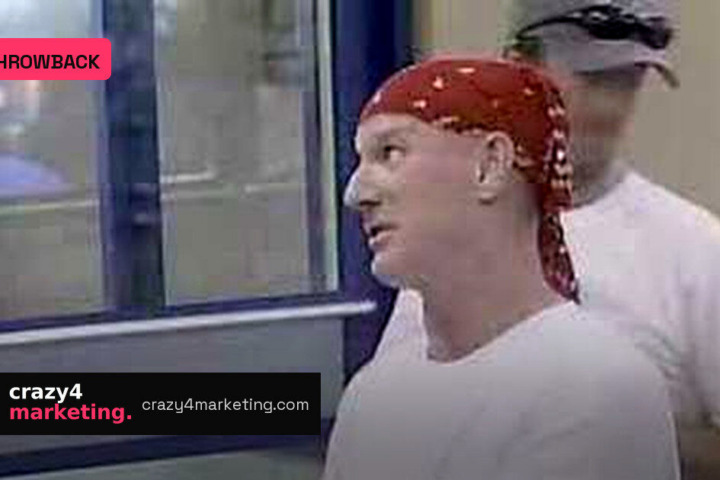
The film starred Wayne Rooney, Cristiano Ronaldo, Didier Drogba and a cast that read like an all-star sheet. Each star’s moment split into alternate futures, from statues and knighthoods to missed chances and humiliation. It never tried to sell a boot. It sold the weight of wearing one on the biggest stage, and it arrived as the reference point for how to market a World Cup without official status.
How the film was built
Wieden+Kennedy Amsterdam built the creative platform and brought in Alejandro González Iñárritu to direct. The full-length version ran three minutes, practically a short film, but it moved like a series of separate episodes.
That structure was the production insight. Every tackle or free kick worked as a self-contained story that could be cut down for broadcast, online or player-specific edits. Nike spent its production money on cinematic scale, then atomized that scale into shareable pieces. The result felt expensive but flexible, which is exactly what a global football campaign needed.
Why it spread in its day
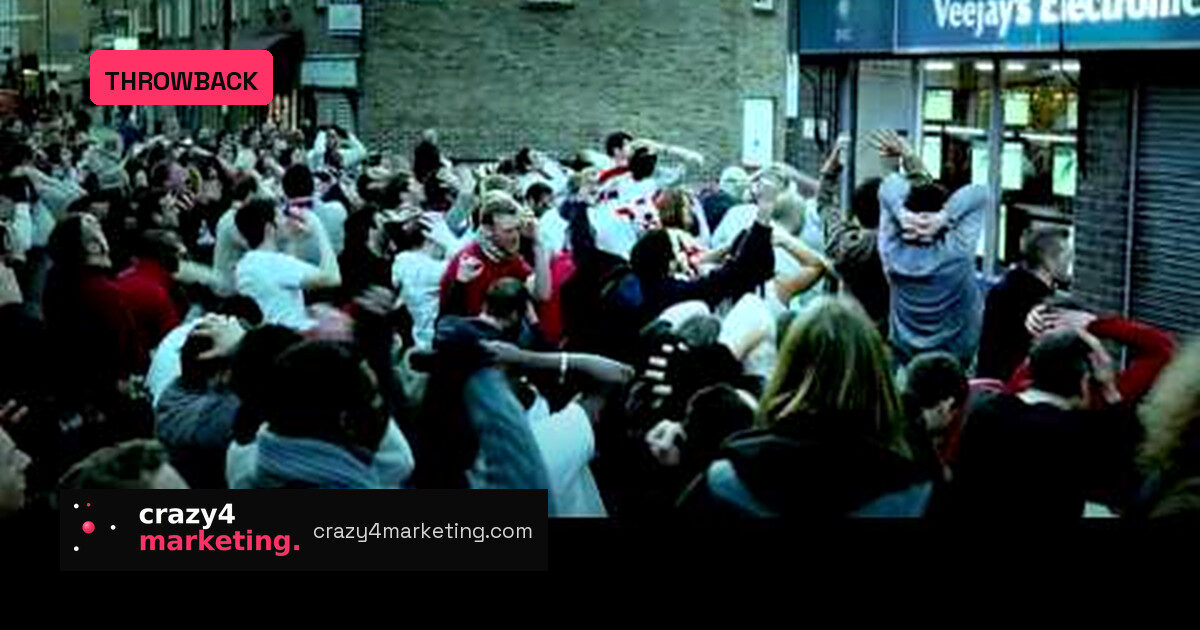
The campaign arrived in the middle of World Cup prediction season, when fans were already arguing about which star would rise or fail. “Write the Future” gave those arguments a visual script. A Rooney tackle did not just exist; it split into multiple timelines fans could quote, parody and debate.
The alternate futures were broad enough to become memes before that was standard marketing language. The tagline itself — “Write the Future” — became a prompt: anyone could project their own version of what came next. That turned a film into a conversation engine, and the audience became the media planning team.
What it did for the brand
Nike was not an official World Cup sponsor. That did not matter. The campaign dominated so much of the pre-tournament talk that it became a benchmark for earning cultural relevance without official rights. It was ambush marketing as entertainment, not interruption.
More strategically, it reframed Nike’s football story around moments rather than merchandise. The brand became the narrator of the sport’s biggest what-ifs. That emotional positioning carried into later tournaments and set a standard for sports advertising: make the audience feel the stakes, and product desire follows.
Steal this: three moves that still work
Creatively, the campaign still works because it follows three transferable rules. You can steal them without a blockbuster budget.
- Make the decision consequential. Do not show a feature; show the future it opens or the failure it dodges.
- Build one cinematic asset, then atomize it. A three-minute epic works when it becomes athlete-specific clips, mobile cuts and social edits.
- Leave the ending open enough to argue about. If fans fill the gap, they distribute the idea for you.
Watch the original: Nike on YouTube