The hook and when it ran
In 2013, Volvo Trucks had a problem every B2B marketer knows: how do you make a steering system interesting? The feature, Volvo Dynamic Steering, mattered to truck buyers, but it wasn’t going to sell itself with a spec sheet. So the brand and agency Forsman & Bodenfors didn’t write a brochure. They built a live, one-take test and turned a product demo into a global spectacle.
The film ran as part of Volvo Trucks’ Live Test series, a run of stunts designed to show engineering features in a way people would actually choose to watch. This one became the standout.
How the film was built
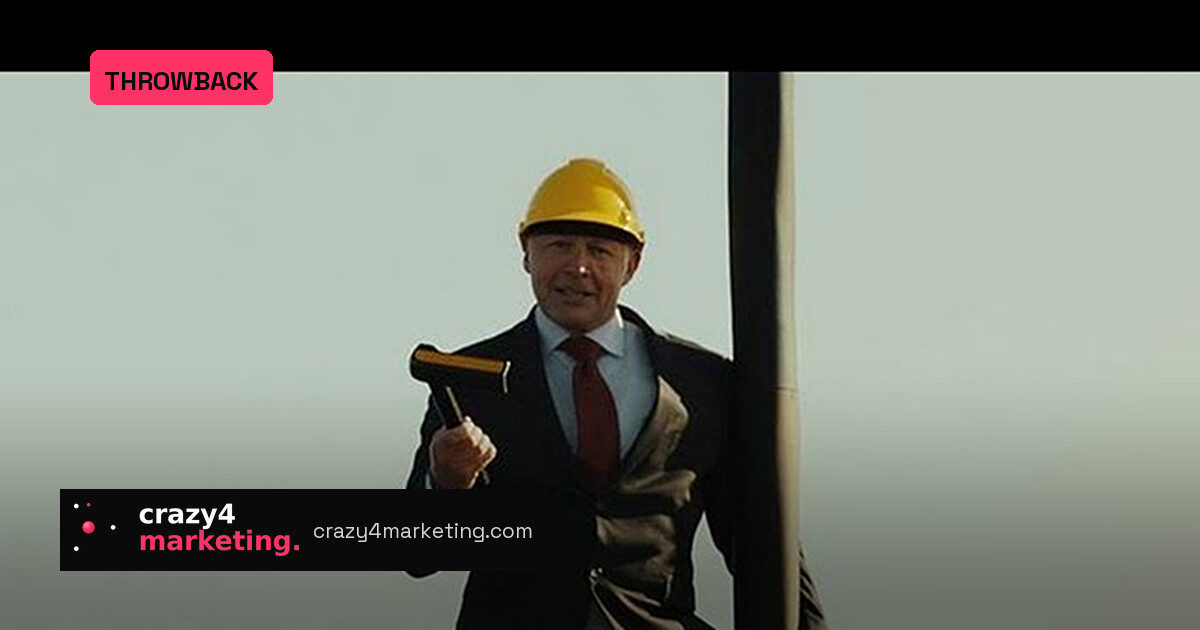
The setup was simple: two Volvo trucks, a controlled reversing path, and Jean-Claude Van Damme balanced between them. The film was shot in one take, with no CGI and no hidden supports. If the trucks drifted even slightly, the moment would fail on camera. That risk was the idea.
Volvo Dynamic Steering was the product truth underneath the stunt. The system is designed to keep trucks stable and precise at low speed, and the film made that claim physical instead of explaining it. There was no long voiceover and no list of torque figures. The image did the work.
Why it spread in its day
The film gave viewers a reason to watch twice. First to ask whether what they were seeing was real, and then to argue about it. That ambiguity created conversation in comment sections, on morning shows and in offices, which is exactly what a product film wants.
It also crossed the usual B2B and consumer divide. Truck buyers could see the benefit, while everyone else could enjoy the spectacle. It needed no translation and no context, so it traveled across markets, languages and platforms almost immediately.
What it did for the brand
The campaign gave Volvo Trucks a cultural moment most truck brands never reach. It made a steering feature feel like a story worth following and filled the top of the funnel with attention rather than interruption. The film has become a reference point for product-led creativity, and the campaign is credited with lifting sales interest and brand visibility far beyond the trade press.
More importantly, it proved a functional product truth could be the most entertaining part of the ad.
Steal this
Three moves from The Epic Split still work today:
- Make the claim physical. Don’t explain what your product does; put it under visible stress and show it holding up.
- Keep the risk on screen. A stunt that could fail holds attention longer than a polished, risk-free commercial.
- Design for the share. If someone can understand the point in three seconds without sound, the ad can travel anywhere.
Watch the original: Volvo Trucks on YouTube