

The hook and when it ran
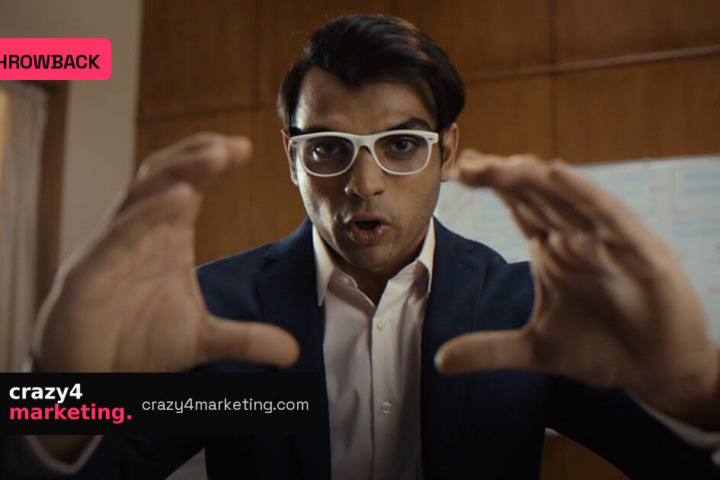
Flipkart’s ‘Kids Are Back’ campaign landed in 2014, just as Indian e-commerce was tipping from ‘why would I buy online?’ to ‘what should I buy next?’ The films put schoolchildren in adult settings—office desks, meeting rooms, retail counters—and gave them the weary, no-nonsense delivery of seasoned shoppers. The joke was instant: these kids were not cute. They were the voice of every shopper who had argued about sizing, delivery dates, and whether a sale was actually a sale.
It ran as a sale push, with the kids treating discounts and fashion drops like office politics. The result felt less like advertising and more like a mirror held up to the audience.
How the film was built
The construction was simple. Take the most rational objections to online shopping—fit, returns, trust, price—and put them in the mouths of children who should have no reason to care. Adult dialogue coming out of kid faces created the central tension. No elaborate sets, no celebrity, no heavy product shots; the sale and the brand sat quietly behind the performance.
That restraint kept the writing sharp. If the product had been pushed harder, the spell would have broken. Instead, the campaign let the incongruity do the selling.
Why it spread in its day
In 2014, mobile-first social sharing in India was still growing, but the films traveled because they were easy to retell. You did not need to explain the premise. ‘Kids acting like exhausted adults complaining about a sale’ was the premise.
- The contrast between a child’s face and a jaded shopper’s logic was instantly shareable.
- The jokes were built on real tensions: returns, size charts, delivery delays.
- The campaign avoided tech jargon and spoke in everyday Indian retail language.
People shared it as commentary on their own shopping behavior, not just as an ad.
What it did for the brand
The campaign is remembered as one of the pieces that helped Flipkart move beyond its marketplace roots and into the mainstream of Indian fashion and lifestyle shopping. It made the brand feel culturally fluent at a moment when e-commerce still had to prove it understood Indian households.
In the years that followed, Flipkart’s sale events became appointment shopping moments. ‘Kids Are Back’ did not create that alone, but it gave the habit a tone: online shopping could be smart, slightly absurd, and entirely normal.
Steal this: three moves that still work
- Use an unexpected messenger. A child, a grandparent, a pet—anyone who should not care about your product can make the message feel fresh.
- Sell the tension, not the app. The ad dramatized a feeling, not a feature. The product was the quiet solution.
- Keep the premise retellable. If someone can explain your ad in one line before showing it, it has already started spreading.
That last part is the real test. ‘Kids Are Back’ passes it in about four words.
Watch the original: Flipkart on YouTube