The hook, and when it ran
“Just Do It” launched in the United States in 1988, created by Wieden+Kennedy for Nike. The line was not a product promise. It was a dare, a decision and a way to talk yourself into showing up.
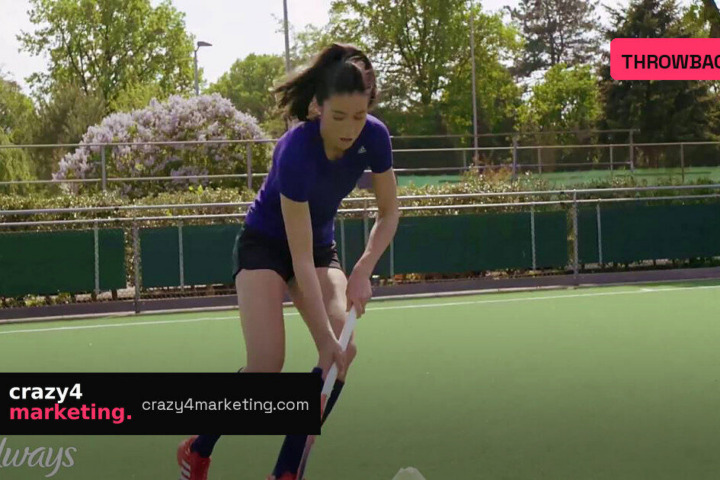
This film, remembered for the question “What are girls made of?”, is a later NikeWomen spot under the same campaign. It ran in the mid-1990s, when women’s sport was moving from the margins to the middle of the cultural conversation.
It opens with an old nursery rhyme — “sugar and spice and everything nice” — and then lets athletes rewrite the answer. The tagline waits until the end.
How the film was built
The structure is a question-and-answer built for tension. The first answer is the one society had given girls for generations. The second answer is the one Nike believed was true: sweat, muscle, grit, competition.
Instead of lecturing, the ad cuts between the rhyme and real girls playing hard. The editing does the persuading. The sound and rhythm matter as much as the words.
That restraint is the craft. Nike did not say “girls are tough.” It showed the evidence and let the audience complete the thought.
Why it spread in its day
The spot landed in the middle of a real debate about girls and sport. Participation was growing, media coverage was starting to follow, and the old “sugar and spice” idea still shaped how many people saw female athletes.
Nike took a side without sounding like a PSA. That made the ad easy to share in classrooms, in offices and on sports fields. People talked about the rhyme and the rebuttal, not just about shoes.
The campaign also gave people a short phrase they could repeat. That phrase traveled further than any product description could.
What it did for the brand
The “Just Do It” idea helped Nike grow from a sneaker brand into an identity brand. It stopped selling equipment and started selling a mindset that could belong to anyone — a teen runner, a weekend athlete, a girl who refused the old answer.
The campaign is credited with helping lift Nike’s sales and loyalty through the 1990s, but the bigger asset was mental availability. When people decided to push harder, Nike was the voice in their head.
Steal this
- Sell a decision, not a product. The ad did not argue about cushioning or fit. It argued about identity.
- Let tension do the work. An old idea set against a new one creates energy without extra adjectives.
- Keep the line short enough to become self-talk. A slogan people say to themselves is worth more than a slogan they only read.
Three decades later, the lesson still holds: the best brand line is something people can do.
Watch the original: Nike on YouTube