
What Fairing is testing
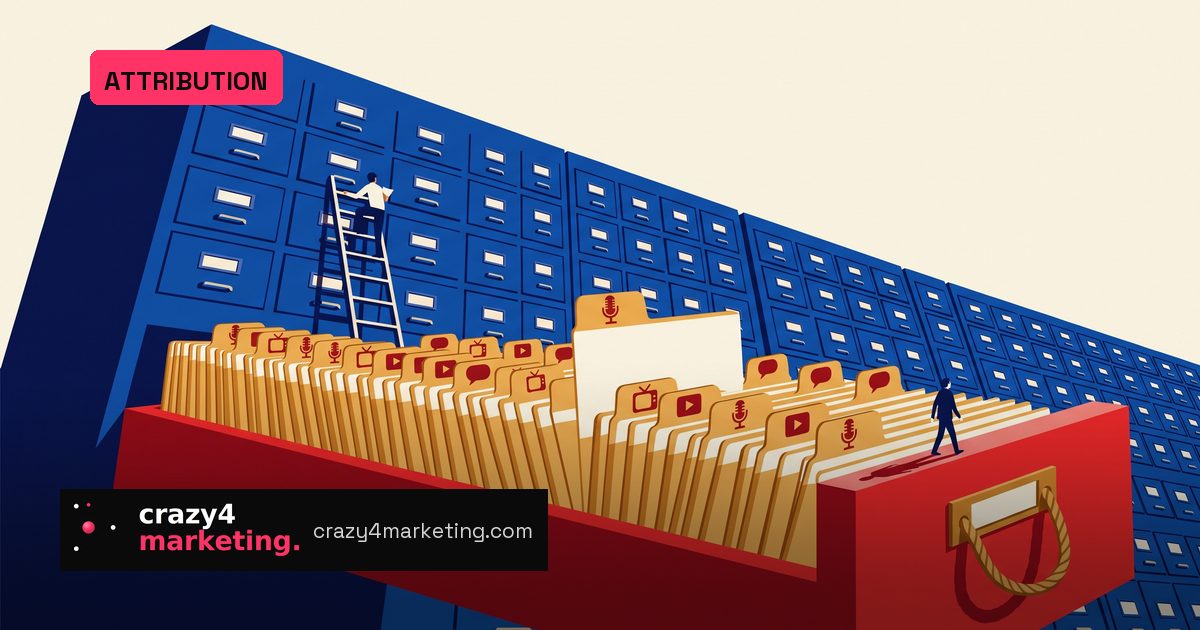
Fairing has opened a beta for Advanced Attribution, an extension of its post-purchase “How did you hear about us?” survey. After a shopper selects a channel, a second, tailored question asks them to name the specific source behind the purchase. A customer who picks Podcast can identify the show, a YouTube response surfaces the creator, and someone who selects ChatGPT can describe the prompt or query that led them to the brand.
The company says this turns channel-level answers into “named sources” that media buyers can actually negotiate around. Managed auto-suggest lists also normalize free-text answers as shoppers type, reducing the messy variants that make open responses hard to count. Podscale, a podcast advertising business, is cited as an early user.
Why last click keeps missing the story
The product targets a familiar measurement gap. Podcasts, creator placements, TV spots and AI assistants rarely generate a click at the moment of influence. A buyer hears about a product, then searches for it days later. Pixel-based and last-click systems reward that final search or direct visit, leaving the demand-creating channel unattributed.
That gap is not theoretical. Meta’s own incrementality work concluded advertisers undervalue Meta by 31% at the median when they lean on rules-based attribution. IAB’s State of Data 2026 found up to 75% of marketers say attribution, incrementality tests and marketing mix models underperform. Meanwhile podcast ad spend hit $408 million in December 2025, but a July survey found only 20.4% of respondents measure direct sales or revenue attribution from podcast activity.
The 50% claim deserves a pause
Fairing reports early users gained up to 50% more usable attribution signal from the same order volume, with no change in survey placement or response rates. That number is the company’s own, and several details are not disclosed: how many brands participated, over what period, or in which categories. “Usable attribution signal” is undefined, and “up to” is a ceiling rather than an average.
Survey-based attribution also has known limits. It only captures buyers who answer, recall is imperfect, and customers may credit the most salient touchpoint rather than the first or most influential one. It cannot show how many exposed non-buyers a placement failed to convert. Fairing co-founder and CEO Matt Bahr framed the feature as “a layer of evidence no pixel or model can: the customer’s own account of what influenced their decision.”
What teams should do now
For D2C and performance teams already running post-purchase surveys, the beta is a low-friction way to add granularity. The practical test is whether named sources change budget decisions. Here is a simple evaluation framework:
- Baseline first: Compare named-source answers against existing channel-level survey and last-click data for the same orders.
- Watch the long tail: Check whether auto-suggest creates a usable canonical list or just moves the mess elsewhere.
- Pressure-test the uplift: Ask for the beta methodology behind the 50% figure before changing media mix.
- Pair it with incrementality: Use survey detail as a hypothesis generator, then run geo or audience holdouts to confirm causality.
Fairing plans general availability in January 2027. Early access is available now, though pricing, eligibility and supported platforms have not been disclosed.
Source: PPC Land