

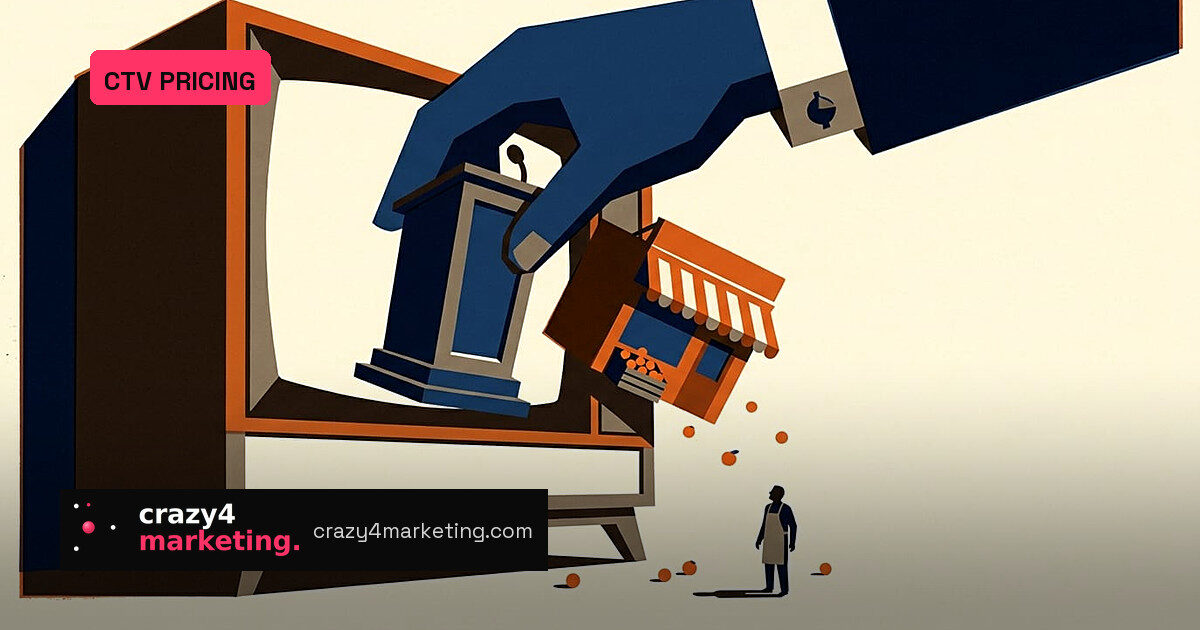
Every two years, US midterms remind marketers that political budgets do not negotiate like normal advertisers. This cycle, the money is landing fast and re-pricing connected TV in the states that matter.
Political money reprices local TV
AdImpact expects around $12 billion in political spending this cycle, with $8.2 billion flowing to broadcast, cable and connected TV, Digiday reported on Monday, October 26. The pressure is concentrated in Texas, Wisconsin, Maine, Michigan, Pennsylvania, Iowa and Ohio, exactly where regional retailers, car dealers and restaurant chains planned holiday campaigns.
The result shows up in CPMs. Premium CTV inventory that had been running at $34 to $35 has climbed to $43, according to Nola Ladd, awareness media supervisor at Collective Measures. “It’s an indicator of the rising competition in that space,” Ladd said. In Texas, linear CPMs are routinely up 10% to 15%, with some programming up 30% to 50%, per David Hassard of Electric Symphony Media. One executive pegged YouTube CPMs about 20% higher.
Preemption clauses make local TV less predictable. Stations can bump a brand’s spot when a political buyer pays more, and the make-goods offered in return are often weaker inventory. Jacqueline Hoyos, chief media officer at Moroch Partners, described a Texas grocery client pushed out of live college football in September as “a huge impact.”
Where displaced budgets are landing
Since Netflix, Prime Video and Disney+ do not take political ads, they have become the natural refuge. But the migration carries price pressure with it. AdsMom data shows political spending on YouTube and Meta reached $149 million in the week of October 11, up from $34 million in the final week of July. Google took $97 million of that, 95% on YouTube.
The shift is bigger than politics:
- WARC puts 2026 global ad spend at $1.34 trillion, up 11.9%, with social spending up 21.3% in Q3.
- Retail media budgets are up 20% to 30% heading into Q4, while TV budgets are down 5% to 7% for some categories.
- Meta says ad sets under 50 weekly conversions run about 28% more expensive per purchase.
And streaming keeps gaining share: Nielsen’s August Gauge shows YouTube at a record 15.8% of US TV time, up from 14.2% in July. Streaming overall reached 49.6%, while broadcast fell to 17.5%. Nielsen cautions the Gauge is not its currency rating, and September/October numbers will land together later this year.
Even the size of the disruption is a matter of forecast. Tunnl estimates a record $11.6 billion in midterm spending, below AdImpact’s $12 billion. Wendy Mason, senior director of strategy at Moroch, says many clients are “holding their breath until we know the outcome of the mid-terms.”
What to do before election week
The worst move is going dark, says Natalee Geldert, head of emerging services at PMG: “That is really hard to come back from.” With Q4 representing up to half of annual budgets for some advertisers, buyers are shifting to measurable channels such as Meta, TikTok and Amazon, and locking retail media commitments early.
Keep your spend fluid but accounted for. Watch preemption notices state by state, secure national or streaming inventory now, and don’t wait for election results to rebalance.
Source: PPC Land


