The hook, and when it ran
In mid-2014, Always asked a room of people to run, throw and fight ‘like a girl.’ That was the entire premise. No product demo, no side-by-side pad test, no clinical language about protection. The brand put an insult at the center of a three-minute social film and let the reaction do the selling.
The campaign broke online in June 2014, created by Leo Burnett and directed by Lauren Greenfield. It hit when ‘femvertising’ was still a new word and most brands avoided the emotional territory around puberty. Always walked straight into it.
How the film was built
The structure is a social experiment. Older participants performed the prompts as caricatures: limp wrists, weak throws, apologetic punches. Then the filmmakers asked young girls the same questions. They sprinted, threw hard and fought with their whole bodies. The cut between the two groups is the ad’s argument.
The film ends on the line that became the platform: Let’s make #LikeAGirl mean amazing things. It was not a slogan about absorbency. It was a brand promise about confidence.
That construction matters. The product is almost invisible. Always placed itself as the sponsor of a conversation, not the hero of the ad.
Why it spread in its day
People shared it because it felt like a mirror, not a commercial. Viewers argued, tagged friends and told their own stories. The hashtag gave that energy somewhere to go.
- The insult was universal; nearly every viewer had heard it or said it.
- The twist was visual and emotional, not a clever copy line.
- The brand took a clear side, which split opinion just enough to fuel debate.
- It arrived when social video could still reward a simple human truth over production stunts.
Within months it became one of the most talked-about ads of the year, picking up major creative honours and launching a long-running Always platform.
What it did for the brand
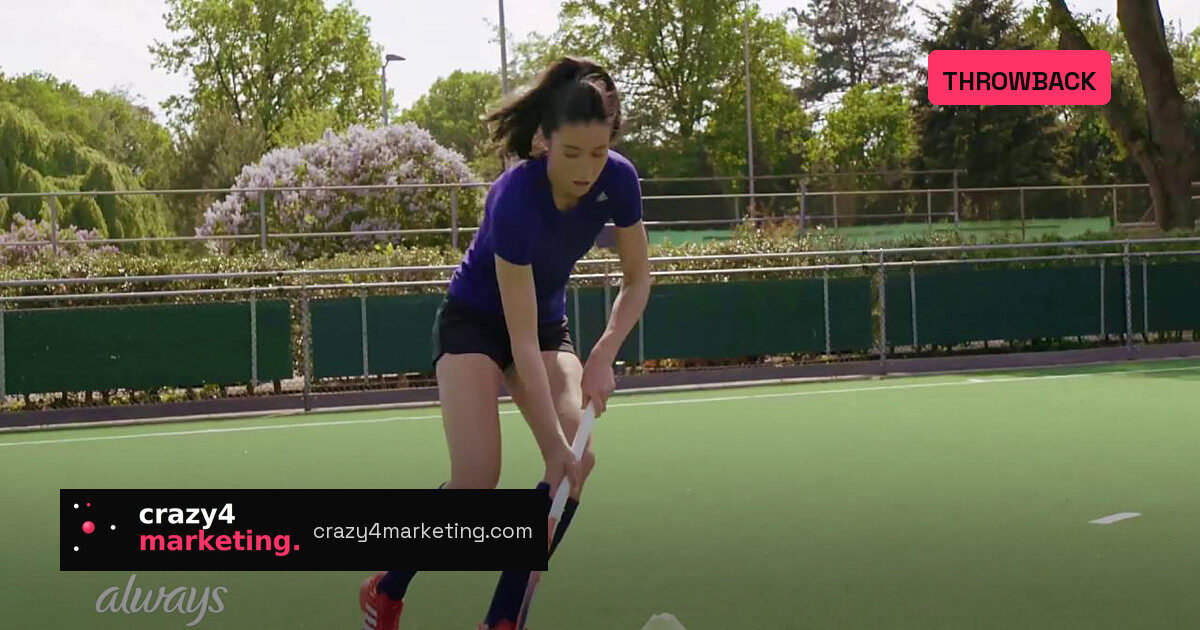
The campaign changed how Always talked to its audience. Instead of leading with leakage and dryness, the brand started leading with confidence and sport. Follow-up films continued the ‘Keep Playing’ theme, keeping the same emotional register.
Commercially, the effect was less about one sales spike and more about brand meaning. Always became part of a broader cultural conversation about girls in sport and the words we use. That is rare for a period-care brand, and it gave the marketing team a platform they could extend for years.
Steal this: three moves that still work
Make the audience the proof. The film doesn’t tell you what to think; it shows two groups responding to the same prompt. The evidence is the edit. That feels more credible than voiceover claims.
Build the ad around the spreadable line. #LikeAGirl was the insight, the provocation and the sharing mechanism in one phrase. The hashtag wasn’t decoration; it was the campaign.
Stay out of the product’s way. Always trusted that emotional impact would do more for the brand than another feature comparison. The product appears nowhere near the center, and the ad is stronger for it.
Watch the original: Always on YouTube