
Some ads sell a product. Budweiser’s “Whassup?” sold a moment—friends, a phone call, and a greeting stretched into a call-and-response. It became one of the most imitated ad phrases of its time, and it started with almost nothing.
The hook and when it ran
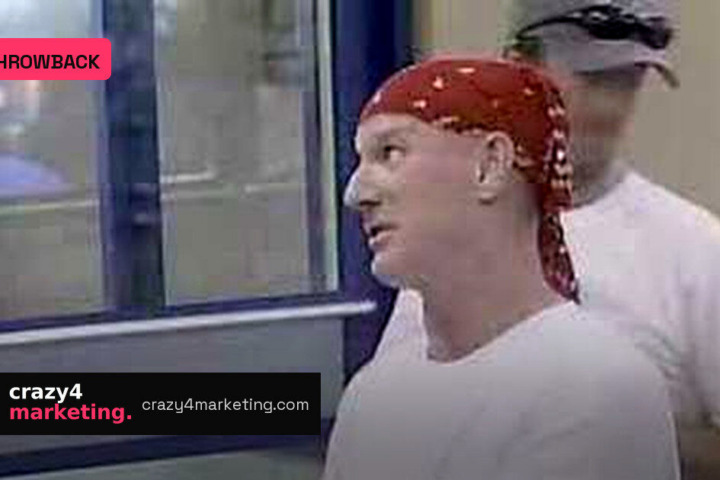
Budweiser and DDB Chicago launched the campaign in late 1999, with the original spot airing during Monday Night Football. The setup was deliberately small: a group of friends checks in on each other, and a casual “Whassup?” builds into an absurd, exaggerated chorus.
The ad didn’t explain beer. It didn’t show a brewery or a pour shot. It showed a social ritual viewers already recognized and made it louder, funnier and more rhythmic. In a media landscape full of polished beer advertising, that looseness was the hook.
How the film was built
The idea came from a short film by Charles Stone III and friends, built around the way they actually greeted each other. DDB Chicago saw the raw material and shaped it into a campaign that felt unpolished in the best way.
The structure was simple: one person starts, the others answer, and the energy escalates. That repeatable pattern was the creative engine. It didn’t need a celebrity or a plot. It needed a phrase people could steal.
Why it spread in its day
Before social media, a catchphrase had to earn its reach through repetition, parody and real-world use. “Whassup?” did all three. People said it in offices, bars, locker rooms and sports arenas. TV shows and late-night hosts got in on the joke. This was meme logic before memes: a simple unit of culture that could be repeated, remixed and recognized in seconds.
The campaign’s variations—different friends, different settings—kept the idea fresh without breaking the format. Each new spot was another excuse to hear the phrase again, which made it stick harder.
What it did for the brand
The campaign gave Budweiser a kind of cultural relevance that product-focused beer advertising rarely captured. It made the brand feel like a shared language between friends, not just a drink at the party. The phrase outlived the media buy, which is still one of the clearest tests of whether a campaign actually connected.
“Whassup?” became shorthand for Budweiser for years. The campaign became one of the defining ads of the era, and its catchphrase has been referenced, remixed and parodied ever since.
Steal this: three moves that still work
- Start with a real social ritual. The greeting was already part of the audience’s life. The ad just amplified it.
- Make the format repeatable. One spot is a joke. Five spots with the same pattern is a campaign—and a catchphrase.
- Leave space for the audience. The ad didn’t over-explain. That gap invited people to imitate it, remix it and make it theirs.
Three moves, one lesson: culture moves faster than media. If you build an idea people want to say out loud, they’ll do the distribution for you.
Watch the original: Budweiser on YouTube