
The hook: rage, filmed in secret
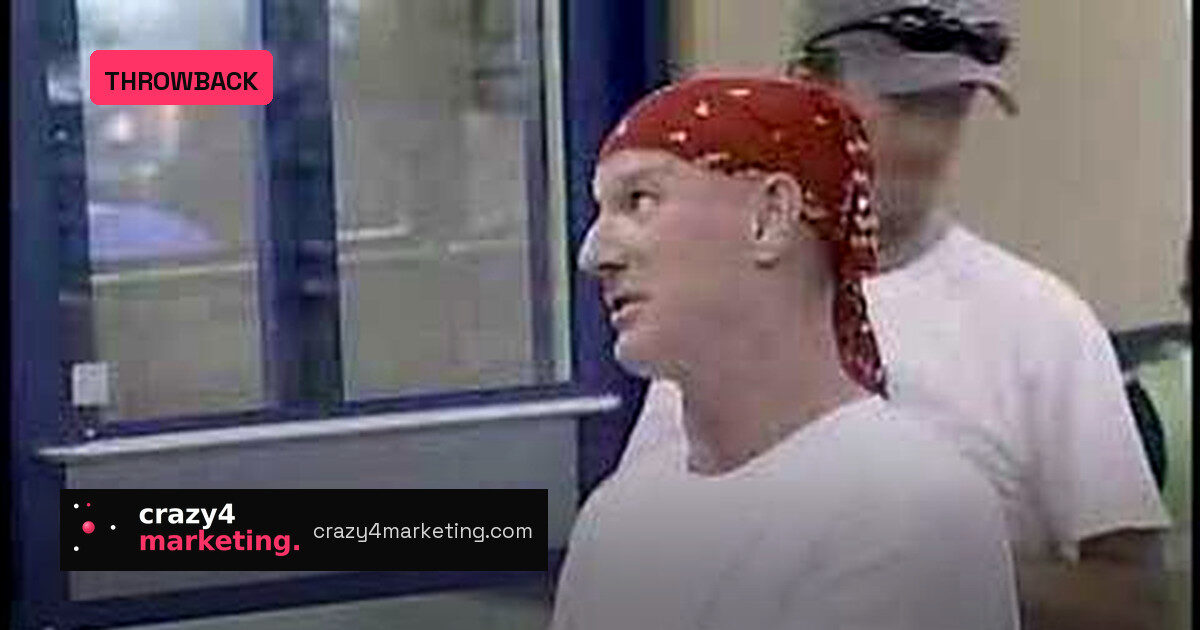
Burger King and Crispin Porter + Bogusky didn’t launch a product. They removed one. In selected U.S. restaurants in late 2007, real customers were told the Whopper had been discontinued. The reactions were captured on hidden cameras.
The setup was simple: the chain’s signature burger, gone. No announcement, no explanation. What followed was a masterclass in brand love. Customers argued, pleaded and asked what could possibly replace it.
How the film was built
CP+B created a controlled but genuinely unpredictable stage. Staff delivered the news flat. The cameras were hidden. The customers were real, not actors. That detail mattered more than anything else.
The agency cut the footage into short, punchy spots. The editing let faces carry the story. Burger King didn’t rush in with a narrator or a punchline. It let the absence do the talking. The reveal came later, restoring the Whopper and turning the truth into a second beat.
Why it spread in its day
In 2007, social video was still finding its footing. A global fast-food brand running a hidden-camera experiment felt risky. The clips had the pull of reality TV with a brand at the centre.
- Real customer reactions made it credible.
- The discontinued Whopper gave the story a clear premise.
- Emotional outbursts were built for forwarding.
The campaign became a shared talking point about how much people care about a burger.
What it did for the brand
The campaign reminded people that the Whopper wasn’t just a menu item; it was part of their routine. It reconnected Burger King with its most loyal customers and gave the chain a fresh wave of relevance. Trade press credited the work with lifting Whopper sales and keeping the burger in conversation.
More than that, it helped define hidden-camera brand content for the next decade. The format became a blueprint for prankvertising.
Steal this: three moves that still work
- Make the product the plot. The Whopper wasn’t the star; its absence was. Create a scenario where your product’s value is felt by being removed.
- Use real reactions. Authentic emotion beats scripted charm. Even if you can’t replicate the stunt, capturing unguarded customer behaviour builds trust.
- Turn the reveal into a second ad. The truth coming out gave the campaign another cycle of attention. Plan the reveal as a beat, not an afterthought.
Whopper Freakout still works because it bet that love for a brand is real—and it let customers prove it.
Watch the original: Burger King on YouTube