

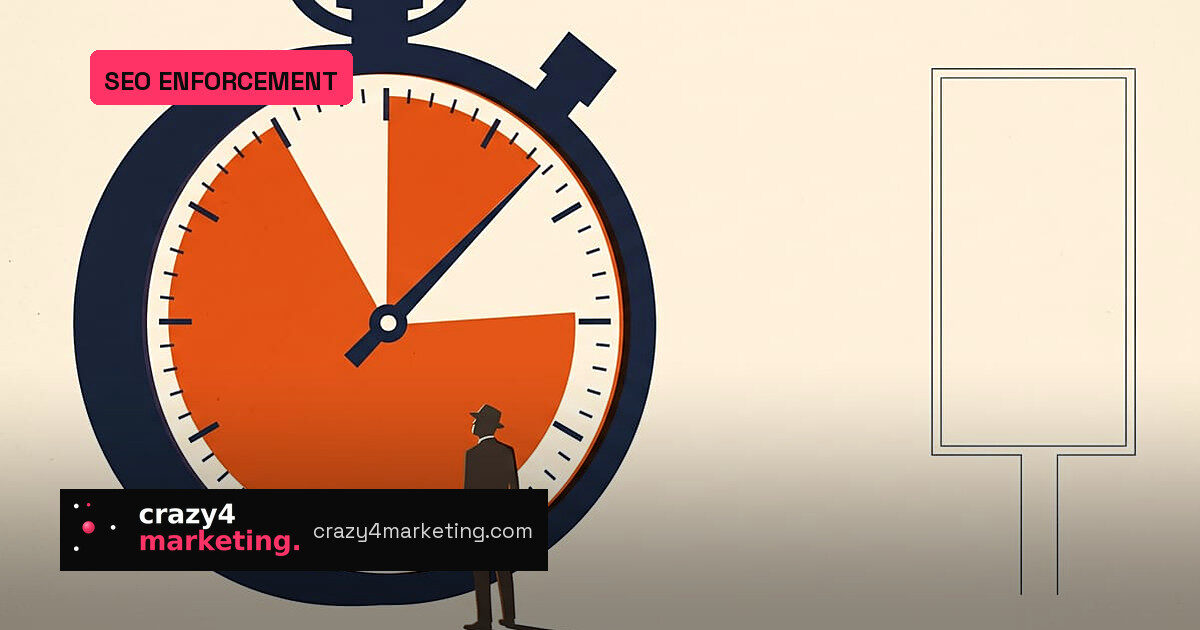
Google’s September spam update is officially over. It ran from September 24 to October 8, a total of 13 days, 16 hours and 22 minutes, making it the longest spam update in more than a year. The kicker: Google never named a single policy it was targeting.
13 days, 16 hours, and no policy named
By Google’s own dashboard, the rollout started at 09:15 Pacific on September 24 and finished at 01:37 Pacific on October 8. That is roughly 98% of the two-week window Google had flagged. For context, March 2026’s spam update took about 19.5 hours. Gary Illyes recently showed internal data putting spam rollouts at one to two days, which makes this run almost seven times the top of Google’s internal range.
Google Search Central called it “a normal spam update” on LinkedIn. Barry Schwartz at Search Engine Roundtable said he doesn’t know why a two-week rollout fits that label. Google declined to say what share of queries was affected and confirmed no policy changes accompanied the release.
Manual actions are creeping back
While the algorithm worked quietly, SEOs report a noticeable rise in manual action penalties. Marie Haynes, who has consulted on manual actions for about two decades, called it “a big increase in requests for help with manual actions lately.” Most affected sites are hit for thin content, pure spam and scaled content, and she described them as legitimate long-standing businesses.
Daniel Foley Carter tied the trend to SEO shortcuts, scaled content abuse and businesses cutting budgets on the assumption AI could do the work. Some sites lost 90% or more of traffic overnight, according to his posts. Schwartz collected twelve recent threads from Google’s Webmaster Help Forums, with posters cleaning thousands of URLs and still facing rejected reconsideration requests.
Here’s what keeps showing up in the current wave:
- Thin content and pure spam actions on older, established domains
- Scaled content abuse tied to heavy AI output
- Fabricated author profiles with AI headshots and fake credentials
- Site reputation abuse and user-generated spam issues
On October 2, Google also updated its helpful content documentation. The new language calls fabricated creator profiles a form of deception, making pages untrustworthy to readers and automated quality systems.
What this means for your SEO workflow
Algorithmic demotions arrive without notice. A manual action shows up in Search Console and can be appealed. That distinction matters more this month because the rollout crossed the end of Q3, so quarterly organic session and revenue numbers already contain part of the update.
The practical checklist is straightforward: check Search Console for manual actions, audit author profiles and credentials, and watch top pages for unexplained traffic drops. Google also published its UGC Fresh Data Program on October 8, a pipeline for approved forums and social platforms to send trending posts directly to Google, but the payload specification stays private until a platform is accepted.
Source: PPC Land


