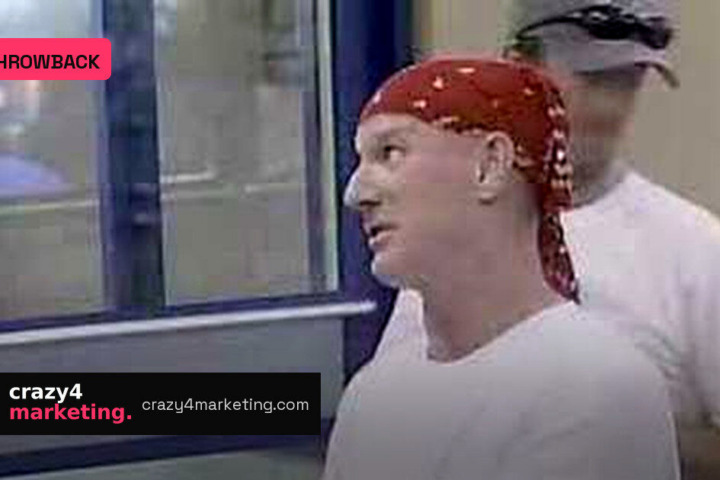

In 2015, Star Sports had the rights to the ICC Cricket World Cup and a challenge every broadcaster knows: how do you make the coverage the story? The answer was Mauka Mauka, created with Ogilvy & Mather around the India-Pakistan group-stage match.
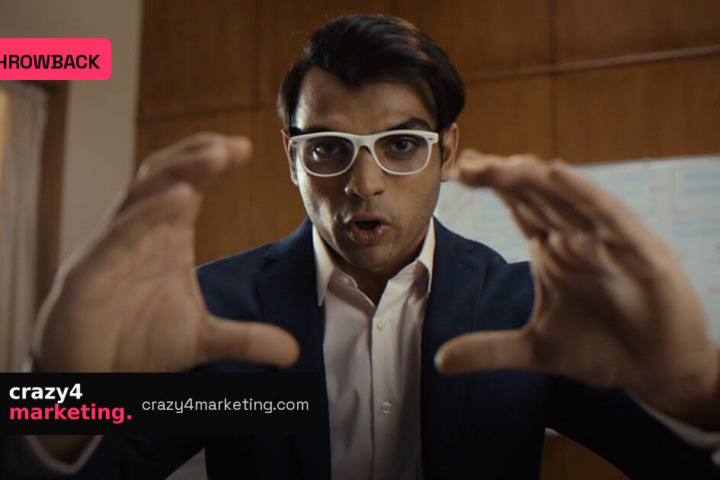
The campaign didn’t sell a match. It sold a grudge ritual: a fan waiting for a ‘mauka’ — the chance to celebrate an Indian defeat. The film above is the Salman Khan extension, but the original cut had already lit the spark.
What the ad was and when it ran
Mauka Mauka broke during the 2015 ICC Cricket World Cup, when India and Pakistan were set to meet in Adelaide. Star Sports used the tournament’s most charged fixture as a launchpad for a taunt that could keep rolling.
The premise was simple: one character, one obsessive ritual, and a line that repeated — Mauka mauka. It was not a single blockbuster spot; it was a recurring bit that returned after every India win.
Why it worked, seen through this site’s beat
The campaign was less a film and more a content engine with a live sports event as its distribution. Each India victory was a cue for a sequel, and the audience learned to wait for the next one.
Mauka mauka.
- It built on existing tension. India-Pakistan cricket was already high-stakes, so the ad didn’t have to create emotion; it only needed to package it.
- It was episodic. The repeatable line and character turned a one-off spot into a series.
- It opened participation. Fans, creators and rival brands could make their own versions, giving the campaign free reach.
- It used live outcomes as a content calendar. Each match result decided the next beat.
That structure is what performance marketers would now call a flywheel: low-friction creative, high emotional stakes and a clear trigger for the next cycle.
What it did for the brand and the culture around it
Star Sports didn’t just broadcast the World Cup; it became part of the banter. Mauka Mauka turned into meme material, copycat clips and immediate social currency during the tournament.
For a sports broadcaster, that was the bigger prize. The campaign made the channel feel like a participant in the rivalry rather than a neutral platform. It also helped cement a playbook for Indian sports marketing: use fandom as fuel, not background noise.
What a marketer should take from it today
The lesson is not ‘do real-time marketing.’ It is to build a repeatable creative system before the moment hits.
Too many brands wait for a cultural event and then rush out a reactive post. Mauka Mauka worked because the first film already contained the sequel. The character, ritual and line were designed to recur.
Takeaway: if your brand is attached to a live event, map the possible outcomes before it starts. Write the reaction posts, the sequel films and the participation prompts in advance. Then let the score decide which one ships.
That turns a campaign from a single spike into a narrative the audience follows.
Watch the original: Star Sports on YouTube