

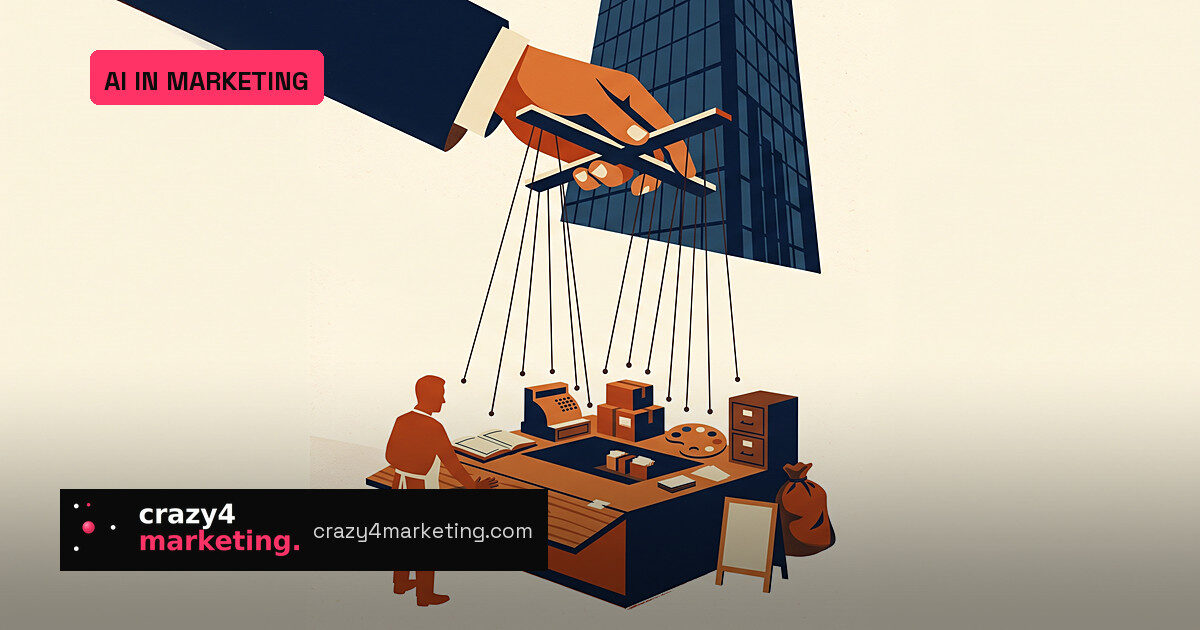
On September 29, 2026, Meta gave Muse a much bigger desk: the small business owner’s entire stack. The personal AI agent, launched three weeks earlier, now connects to 15 third-party tools and to Meta’s own ad surfaces, including ad accounts, Facebook Pages, and Instagram professional account analytics.
The pitch is simple. “Give Muse a goal – like running your business or finding new customers – and it gets it done,” Meta says. But for performance marketers, the more important line is the guardrail: nothing publishes, sends, or spends without owner approval.
The connectors that matter
Muse for Small Business is not a separate app. It is a set of skills and connectors inside Muse, available in the US and Canada. The new integrations span the core operating stack of a D2C brand:
- Commerce and payments: Shopify and Stripe
- Marketing and CRM: Klaviyo and HighLevel
- Finance: Intuit QuickBooks
- Design and productivity: Canva, Figma, Notion, Slack, Asana, Box, Dropbox, Zoom, Granola and Lovable
On top of those sit three Meta surfaces: Instagram professional account analytics, Facebook Pages, and Meta ad accounts. Meta says the full connector catalogue lives in app settings and “more to come.”
Why this is different
Third-party AI has been able to touch Meta campaigns for months. In April 2026, Meta opened its ads system to Claude and ChatGPT through an MCP server. In July, it let any developer with a Meta app do the same. But those setups required an external model coming to Meta’s interface.
Muse flips that. The model, the agent, the consumer app, and the ad account all belong to Meta. An assistant built by the same company that sells the ads can now read the storefront, the ledger, the CRM and the campaign results together.
That is powerful for a small advertiser. It is also the open question. Meta has not said whether Muse can change budgets, bids, targeting or creative, or whether access is read-only. The announcement names no paid plan prices and does not clarify how connector data is kept out of Meta’s ad systems or model training.
A control layer that needs a human
Meta’s approval principle is a single sentence, and it’s a good one: nothing publishes, sends, or spends without your approval. The risk is not the stated rule; it is everything the approval prompt does not show.
An approval confirms an action. It does not show the alternatives the agent discarded or how it ranked them. For a small business owner who told Meta they are “short on hours, not ideas,” approval can become a reflex.
The learning phase makes this concrete. Meta’s own guidance has previously reminded advertisers that substantial ad set edits can reset delivery, which typically needs around 50 optimization events. A goal-driven agent that suggests a quick series of creative or budget changes could destabilize a campaign even if every single click is owner-approved.
Remember REI. In June 2026, the brand found Meta had enrolled its ad account in an AI personalization tool without its knowledge, and an altered image of a deformed bicycle ran on Instagram for about a week. Muse’s approval mechanism is different, but the lesson is the same: know what a Meta tool is allowed to do by default.
What to do
Treat Muse as a draft machine first, not an autopilot. Start with read-only reporting, payroll and drafting tasks where approval is cheap. Keep budget and bid changes human-owned. Audit every proposal before you approve it, and ask what the agent considered and rejected.
If you run a small business or agency, test Muse in a sandbox before giving it live accounts. The connector mix is exactly the data you would use to judge whether a campaign paid for itself. You want that insight, but you also want boundaries.
Source: PPC Land


