
The hook and when it ran
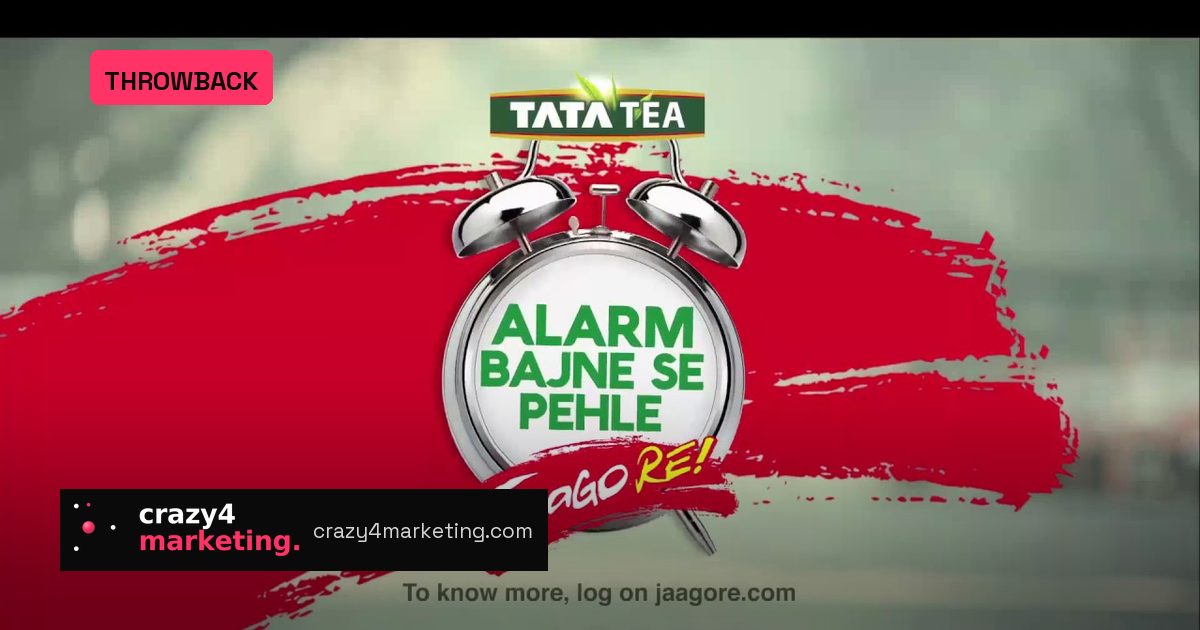
In 2007, Indian tea advertising was crowded with warmth, family and flavour. Then Tata Tea and Lowe Lintas launched Jaago Re, and a cup of chai became something startling: a small act of civic rebellion. The line meant “wake up,” and the campaign was unapologetically literal about it.
The film was not a product story. It used India’s most ordinary daily ritual, drinking tea, and turned it into a trigger for noticing what was wrong around you. Voter apathy, civic neglect, everyday corruption. It asked viewers to stop treating chai as an escape and start treating it as a moment of clarity.
How the film was built
The creative leap was simple but powerful. Tea is already a wake-up call in the physical sense. The campaign borrowed that truth and stretched it into a social one: if chai can wake your body, it can wake you as a citizen.
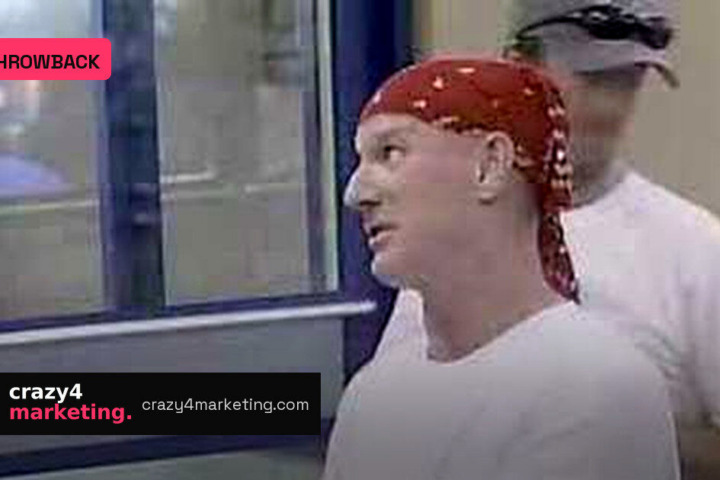
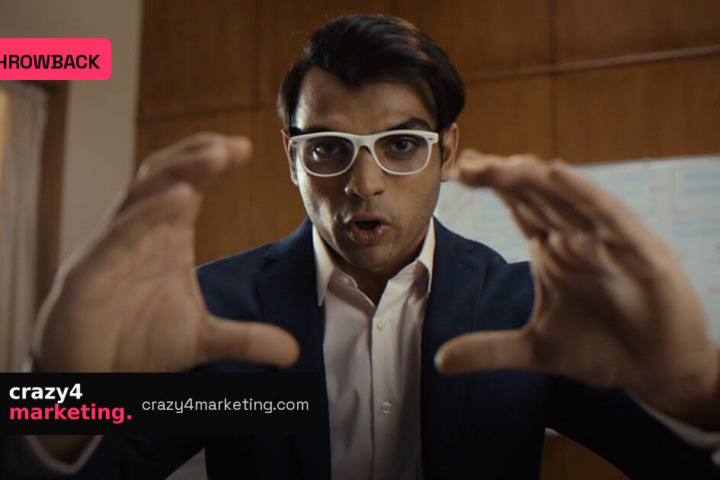
Lowe Lintas built the film around a young protagonist and ordinary Indian streets, not a glossy set. The tension comes from small, observable moments rather than a single villain. That made the message feel uncomfortable but never preachy, designed to be absorbed rather than announced.
Why it spread in its day
India in the run-up to the 2009 general election was young, restless and increasingly connected. Jaago Re gave that energy a brand-shaped outlet. It wasn’t just a spot; it became a website, a voter-registration drive, and later a series of issue-led films.
The line travelled because it worked as a command, a slogan and a nudge all at once. People didn’t just watch the ad; they repeated the phrase to each other. It became part of everyday vocabulary long before social media could engineer a catchphrase.
What it did for the brand
Tata Tea moved from being a packaged commodity to a cultural actor. For one of India’s biggest tea brands, that was a risky pivot, but it gave the company permission to talk about issues that had nothing to do with leaves, blends or freshness.
Sales numbers are hard to attribute cleanly, but the campaign is credited with sharpening the brand’s relevance with younger urban consumers. More importantly, it set a benchmark for purpose-led Indian advertising. Jaago Re became a platform other brands studied and, years later, still try to match.
Steal this
Three moves from Jaago Re still work for modern marketers.
- Anchor the abstract to a ritual. Find a product moment people already repeat daily, and attach your message to it. The habit becomes the reminder.
- Make the audience the protagonist. The film doesn’t place the brand at the center. It shows someone like the viewer deciding to care, which invites participation rather than passive viewing.
- Build an action, not just an ad. Attention fades, but action creates commitment. The voter-registration push turned applause into behaviour and extended the campaign’s life.
Jaago Re endures because it understood a basic truth: the strongest brand ideas attach to behaviour people already have. If you can make a daily habit mean something larger, you don’t need to shout. You just need to wake people up.
Watch the original: Tata Tea on YouTube