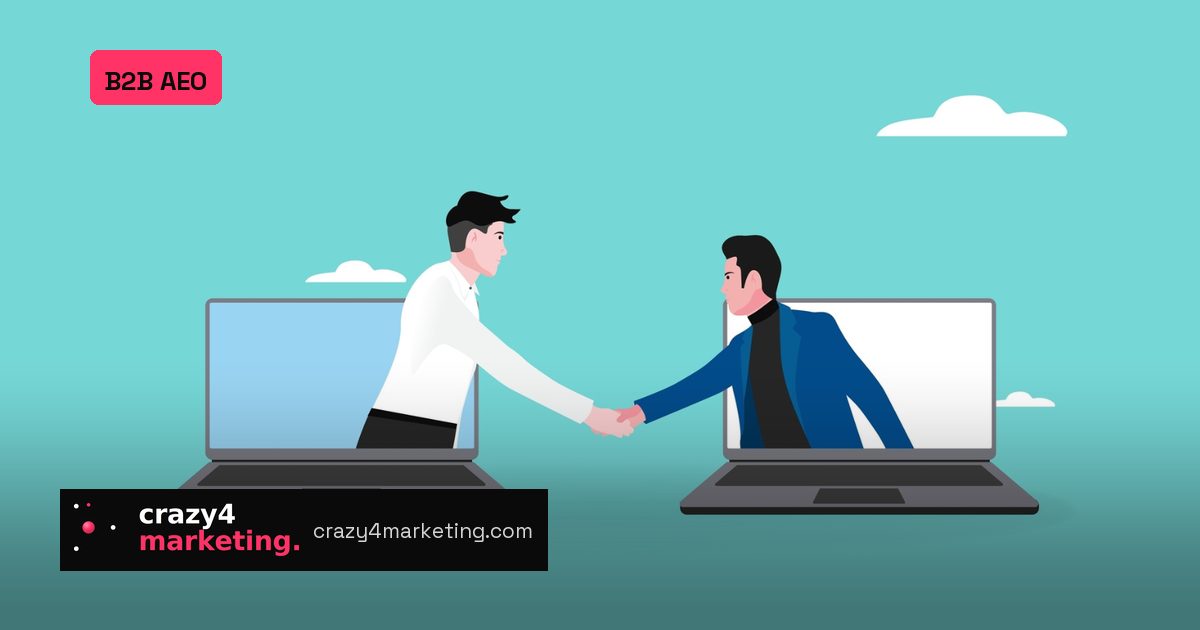
The B2B shortlist is being written before your buyers click. A new Search Engine Journal analysis argues that the real leverage in AI-era search is not ranking for the first query — it is winning what the piece calls Day Zero, the informal research window before a buying group appears in your CRM.
The Day Zero shift
Traditional SEO still matters, but it no longer guarantees attention. Search Engine Journal reports that 94% of B2B buyers now use large language models to summarize, compare, and recommend vendors. Meanwhile, buying decisions involve an average of nine stakeholders who research separately, form private views, and arrive with preferences already set.
That accumulated brand familiarity is Day Zero: every prior experience, published research, peer recommendation, and piece of vendor content a buying group absorbs before formal buying begins. By Day 1 — the point most teams start tracking — the shortlist is often close to final. The source notes that 95% of the time, the deal goes to a vendor already on that list.
Why AEO alone is not enough
AI engine optimization can shape how your brand is described once a buyer looks. But it inherits whatever bias Day Zero created. If buyers already trust a competitor, showing up in an AI answer may not move the needle. Search Engine Journal puts it simply: “AEO decides how well you appear in the answer. But it’s Day Zero that decides whether you appear at all.”
That is a useful distinction for growth teams. Stop chasing the latest AEO tactic as the whole strategy. Use it as a hook, and build the authority that gets you into the mental shortlist first.
Three ways to build Day Zero influence
The source lays out three capabilities that decide whether a brand is known, described accurately, and shortlisted:
- Build buyer-led authority content. Answer specific pain points with original, data-driven work. LLMs tend to cite content that is thorough and genuinely useful, so quality becomes an AI visibility asset.
- Establish trust across the full buying group. Don’t optimize for one persona. Give each stakeholder — finance, IT, security, operations — proof tailored to their risk, because a champion needs assets they can forward and defend.
- Make the brand legible to AI systems. Audit what AI tools say about you for real buyer prompts. Fix inaccurate descriptions first, use plain language and consistent messaging, and add schema markup where it helps.
For measurement, the piece suggests watching repeat visits and time on page for content, roles reached per account for buying group coverage, and share of voice plus citation accuracy in AI answers.
What to do this week
Don’t wait for a new AEO playbook. Run prompts your buyers would run, document whether your brand appears and how accurately it is described, then correct the most damaging gaps. For example, a manufacturing analytics vendor might test prompts like “best predictive maintenance software for manufacturing” or “how to reduce unplanned downtime on a production line.” The audit often turns up two problems: either the tools do not mention you, or they mention you and get it wrong.
The advantage of Day Zero is that no competitor is bidding against you and no algorithm is rationing your reach. The authority you build compounds, and it tends to carry into AI interfaces as they change.
Source: Search Engine Journal