The hook and when it ran
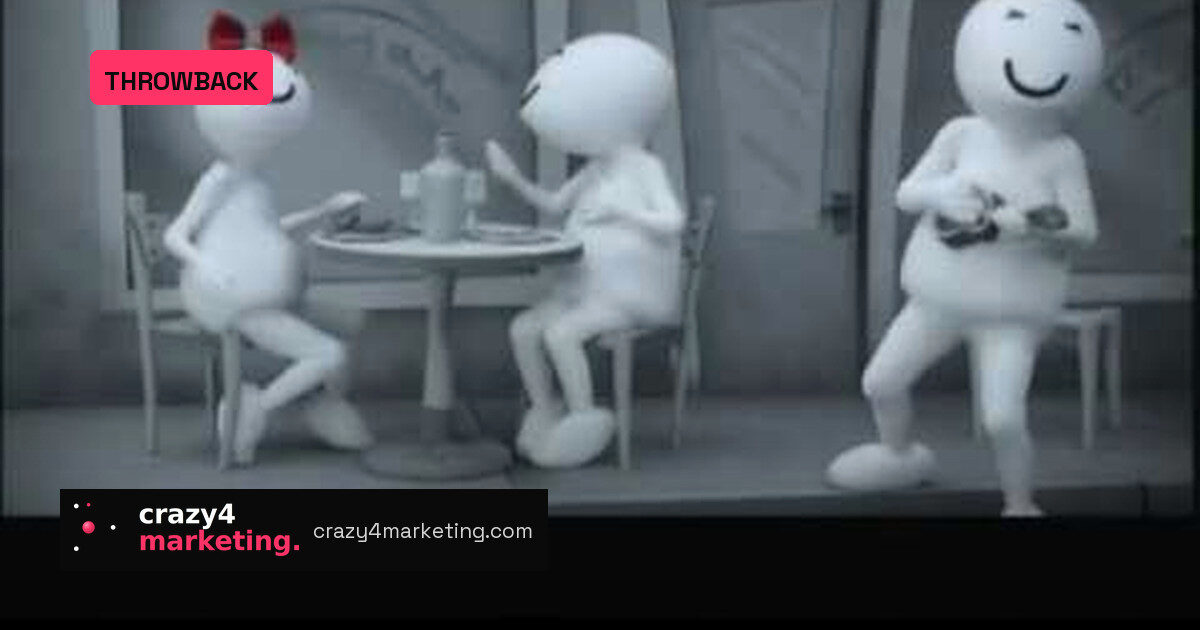
In 2009, Vodafone used the Indian Premier League as a launchpad for something stranger than another celebrity spot. While telecom brands fought with price plans and film stars, Ogilvy & Mather introduced a race of big-headed white characters called Zoozoos. They didn’t speak. They didn’t sell. They acted out phone services as silent physical comedy.
The Background Music film ran during that first IPL wave. A service many people found confusing became instantly readable as a small physical gag: a background tune that takes over. No dialogue, no voiceover, no translation.
How the film was built
The Zoozoos were not animation. They were real performers in slim body suits, with oversized heads and minimal facial features. That practical choice kept production fast and repeatable, because Vodafone needed many short spots, not one hero film. The blank faces forced the team to tell each story through posture, rhythm and very simple props.
Ogilvy creative Rajiv Rao is widely credited with the character design. Because the characters had no dialogue, the films didn’t need translation. The same spot could run across Hindi, Tamil, Bengali and English markets without changing a frame. That wasn’t a detail; it was the strategy.
Why it spread in its day
This was pre-social media virality, but the distribution mechanics were already there. People traded clips over Bluetooth, set Zoozoos as wallpapers, and talked about the new IPL spots the next morning. The characters were small, silent and visual, so they worked on cheap mobile screens.
The look helped too. The white bodies popped on television and on grainy phone clips, so even a bad copy of a copy carried the idea. The Zoozoos also arrived with the rhythm of a series. New spots kept appearing through the tournament, which gave viewers a reason to stay curious. Each one was a tiny puzzle: what service is this now?
What it did for the brand
The campaign turned generic add-on services into characters people wanted to watch. It gave Vodafone a flexible mascot that could explain anything, from caller tunes to roaming, without building a new world every time. The Zoozoos returned in later IPL seasons and became a merchandising and pop-culture property in their own right.
That equity didn’t come from a single viral moment; it accumulated spot by spot. More importantly, they made the brand feel light. In a market obsessed with tariffs and network wars, Vodafone owned small, strange, charming moments that made services feel simple.
Steal this
Three moves from the Zoozoos still work today:
- Turn the feature into a gesture. Each spot sells one service through one clear action, not a list of benefits.
- Design for the smallest screen. Big shapes, high contrast and no dialogue let the idea survive thumb-stopping feeds and muted autoplay.
- Build a recurring cast, not a one-off. Familiar characters with new situations give campaigns shelf life beyond launch week.
The Zoozoos didn’t try to be cool. They were understandable, repeatable and oddly warm—and that’s exactly why they became unforgettable.
Watch the original: Vodafone on YouTube