
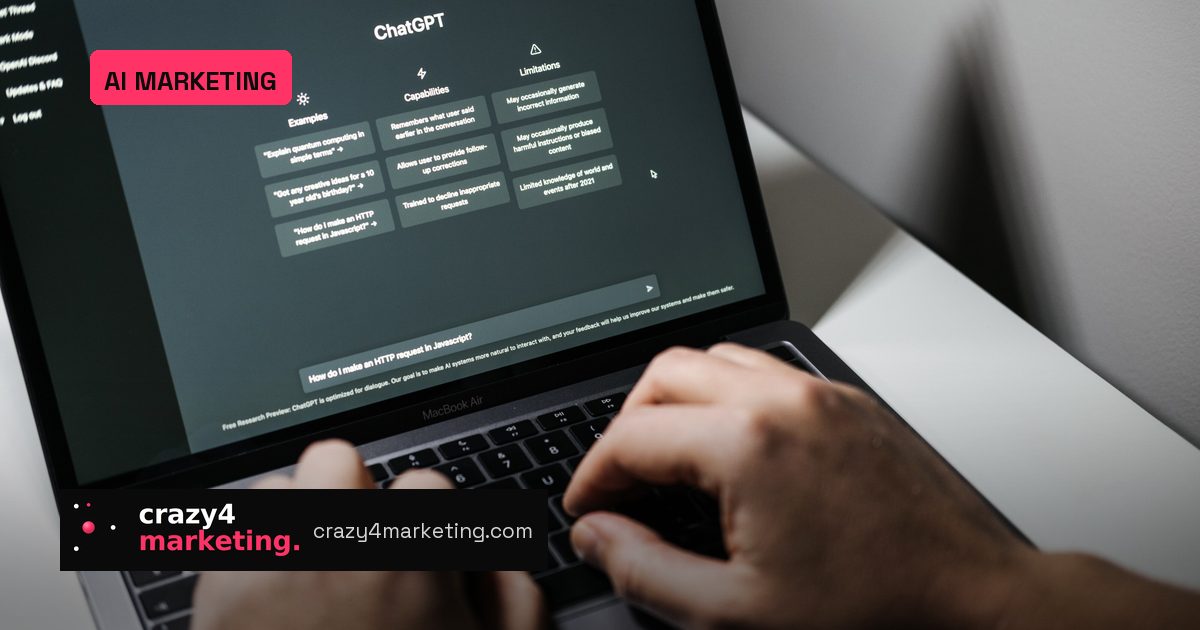
ChatGPT is becoming a real acquisition surface. Marketers now face two levers: organic citations and a paid placement option. On September 22, Search Engine Journal is bringing OpenAI and Go Fish Digital together to explain how brands can use both.
The webinar lands at a useful moment. AI search is moving from simple question answering toward comparison and purchase behavior, which makes visibility in ChatGPT a direct marketing problem rather than an SEO side quest.
The lineup
The live roundtable features Abhilash Edathil, Head of SMB Monetization at OpenAI, and Go Fish Digital’s Patrick Algrim, VP of Generative Engine Optimization, and Ashish Jacob, GEO Search Manager. They will walk through what it takes to run ChatGPT Ads today and where GEO should stay the priority.
Two visibility paths
On the organic side, visibility starts with how ChatGPT crawls and interprets your pages to build an answer. Some answers carry citations only, while others carry ads.
On the paid side, OpenAI treats ChatGPT Ads as a new channel rather than another search buy. That means marketers should not assume the bidding, targeting and creative playbook from paid search will map over cleanly.
Why this matters for growth teams
Most brands are already working on the organic side. ChatGPT Ads is the newer opportunity for driving incremental customers, but the timing and mix are still unclear for many D2C founders and agency teams.
The core question is not whether you should be in ChatGPT. It is how to split effort between buying visibility and earning it.
The organic play starts with clarity
Generative Engine Optimization is not about stuffing keywords into prompts. It starts with making your pages easy for ChatGPT to crawl, interpret and quote accurately. If your product details, pricing or differentiators are buried, the model has less reason to cite you.
Before the session, run a few brand and category queries in a fresh ChatGPT chat. The gap will usually be obvious: you are cited, summarized, replaced or missing.
The paid play is not just search again
OpenAI’s positioning matters for budget planning. If ChatGPT Ads is a new channel, then metrics, creative and landing experiences should be tested independently. Treat early spend as discovery, not a scaled migration from Google or Meta.
A simple audit-first framework
- Map your current presence: Ask ChatGPT about your brand, category and high-intent queries in a fresh session.
- Check the answer format: Note whether your pages are cited, summarized, replaced by a competitor or absent.
- Improve the organic layer: Make key pages crawlable, clear and quotable so the model can interpret them accurately.
- Layer paid where intent is clear: Test ChatGPT Ads on purchase or lead-oriented queries where organic citations are not enough.
- Track both paths separately: Measure ad-driven revenue and organic citation visibility as distinct signals.
What to watch
The roundtable will cover where ads now appear, where GEO remains top priority, and how paid and organic fit into a broader AI marketing strategy. Attendees can expect a practical discussion, not platform theory.
Can’t make the live session? Register anyway and Search Engine Journal will send the recording.
The takeaway
Paid and organic AI visibility should be planned together. Start with an audit of how ChatGPT currently treats your brand, close organic gaps, and treat ChatGPT Ads as an incremental channel with its own rules.
Source: Search Engine Journal