
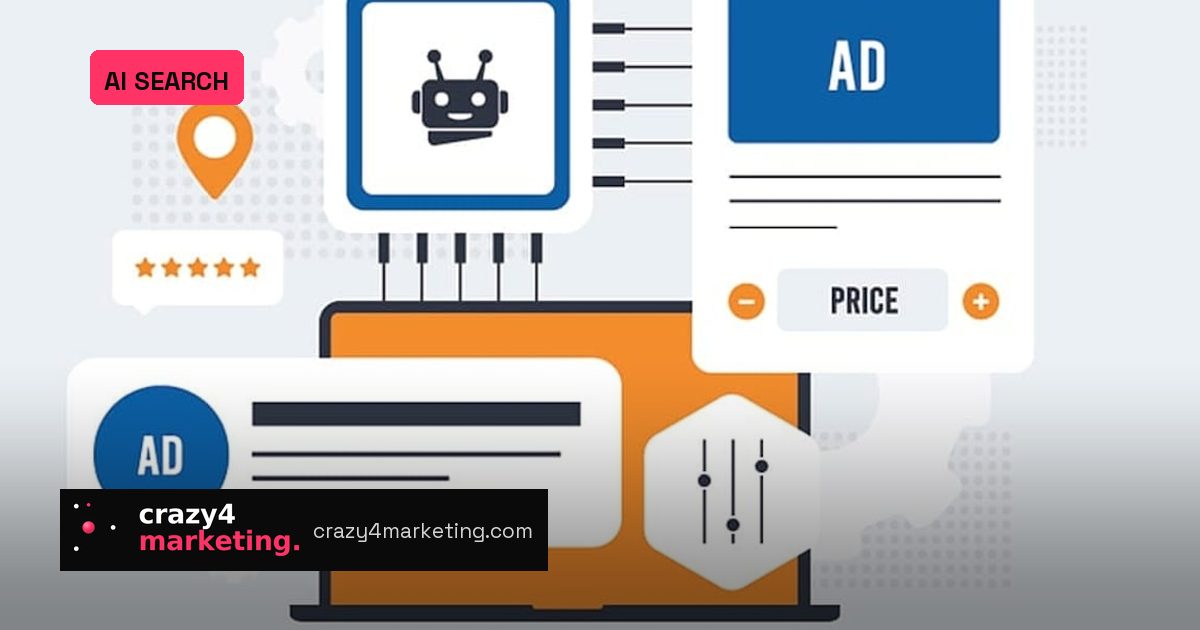
OpenAI kicked off 2026 by testing paid placements inside ChatGPT, putting advertising directly into the conversations people already use to research products and make decisions. For marketers, this is not just a new inventory source. It is a signal that search, visibility and conversion are shifting to answer-first experiences.
Why ads are entering ChatGPT
Running an AI assistant for hundreds of millions of users is expensive. OpenAI has said continued access depends on heavy investment, while subscriptions only fund part of the service. Advertising gives the platform another revenue stream without charging every user.
OpenAI says sponsored messages will stay clearly labeled and separate from ChatGPT’s answers. That separation matters. If ads feel native or pushy, users may lose trust in the answer itself.
A different targeting game
Traditional paid search leans on keywords, landing pages and audience signals. ChatGPT ads are selected using the context and intent of the conversation happening around the placement. OpenAI’s head of global ads solutions David Dugan put it bluntly at Cannes Lions: the format is “not a keyword-based buy, so it’s different from traditional search.”
That creates a practical challenge. Advertisers cannot see the exact conversation, so they need to build campaigns around clear context hints, strong landing pages and structured product information, then let the AI system decide where the message fits.
- Map the questions your buyers ask before they compare products.
- Audit how AI assistants currently describe your brand.
- Strengthen product data, reviews and third-party coverage so the answer engine understands you.
- Run small, measurable ChatGPT ad tests before scaling spend.
- Track brand mentions and assisted conversions, not just last-click sales.
AI visibility is becoming organic math
McKinsey reports that half of surveyed shoppers now seek out AI-powered search on purpose. Instead of a page of links, they get one written response. If your brand is not clearly connected to that response, you may never enter the consideration set.
Marketers call the work of helping answer engines describe a company accurately generative engine optimization, or GEO. Accurate product info, reviews and outside reporting all point the system toward the same conclusion: who you are and what you sell.
Running an ad does not improve organic inclusion in the answer. Paid and unpaid AI visibility should be planned as separate plays.
The funnel is collapsing into conversation
Viant CEO Tim Vanderhook told search experts that AI commerce “collapses the ‘search → click → checkout’ funnel into a single, intelligent conversation.” A shopper can describe a need, refine by price and features, see products with current specs and even checkout inside ChatGPT where eligible.
By the time a retailer enters the picture, the assistant may already have narrowed the category to a shortlist. Brands must be in the conversation before that shortlist is formed.
What forward-looking teams should do now
Google Ads executive Dan Taylor has warned that “search behavior has become more conversational and complex.” Teams need to examine how assistants describe their company before more decisions move through them.
Forbes contributor TerDawn DeBoe argues AI performance cannot be judged by last-click sales alone. Brand mentions, lead quality and upper-funnel influence may show impact earlier.
Start small. Treat ChatGPT as a new paid channel, but require reporting and attribution before increasing budget. McKinsey points to accurate customer data and regular tracking as the foundation for connecting early AI interactions with later purchases.
Two paths to stay visible
The risk for OpenAI is relevant placement without alienating users. E-marketer analyst Jeremy Goldman warned Reuters that users could move to rival chatbots if ads feel “clumsy or opportunistic.” That pressure keeps the user experience central to the experiment.
For brands, the playbook is clear: test paid placements as a performance channel and build GEO/AEO for the unpaid answer. The teams that do both will be positioned as AI search moves deeper into buying decisions.
Source: WIS News 10