

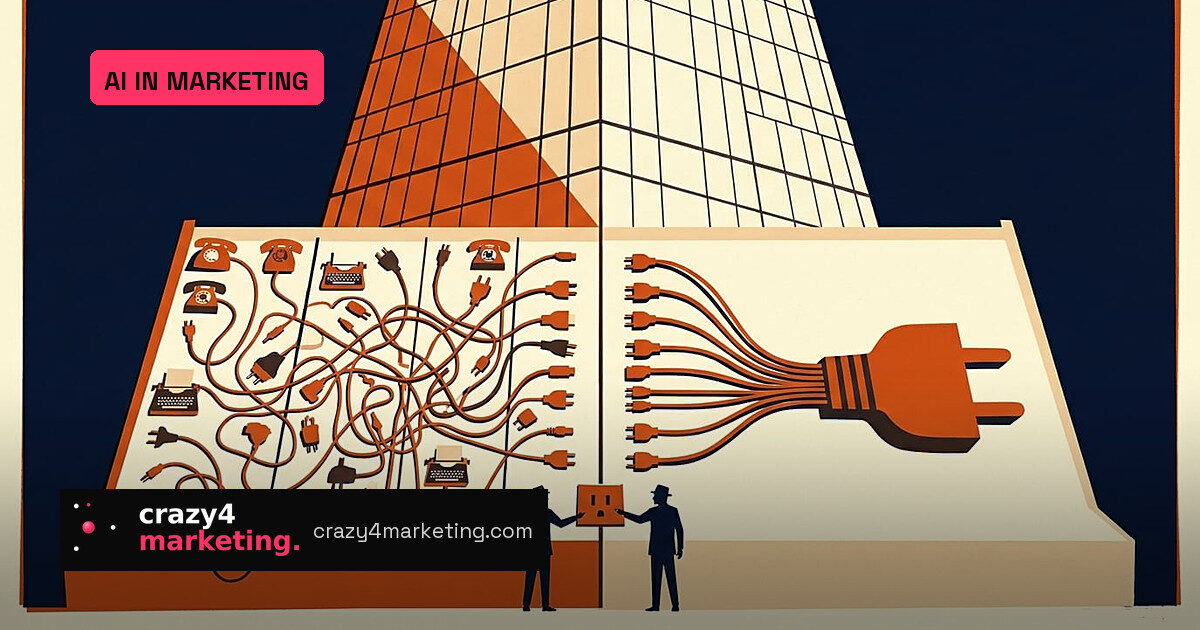
After a year of shipping, the Advertising Context Protocol—AdCP for short—has built a shared vocabulary for AI agents that buy and sell media. What it hasn’t built yet is scale. Apostra, the company Scope3 became in September 2026, has disclosed roughly $1 million in agentic campaign volume, much of it from one advertiser.
What AdCP actually does
AdCP is not an ad server or a payment rail. It defines JSON-schema tasks that buyer and seller agents call over existing transports: the Model Context Protocol (MCP) or Google’s Agent2Agent (A2A). The surfaces cover media buying, creative sync, audience signals, accounts and billing, plus governance and sponsored intelligence.
A typical buy starts with a natural-language brief. The buyer agent sends get_products in brief, wholesale or refine mode, then calls create_media_buy with an account, brand, start and end times, and a mandatory idempotency key. Tasks come back completed, working within about 120 seconds, or submitted for human review.
Version 3.0.0, released April 22, 2026, tightened the rules: idempotency keys became mandatory, insertion-order approval moved into its own lifecycle, and schemas force human review for housing, lending, employment and pharmaceutical ads under GDPR Article 22 and the EU AI Act.
The adoption gap is the real story
The launch looked credible. AdCP 2.0.0 arrived October 15, 2025 with six founding members: Scope3, Yahoo, PubMatic, Swivel, Triton Digital and Optable. Brian O’Kelley, who founded AppNexus, made the first commit in July 2025. Releases have been frequent—3.1.0 in June 2026, 3.2.1 in October, and 3.2.6 plus a 3.3.0 beta on October 22.
Yet the money remains small. Google, Amazon, The Trade Desk and Microsoft are absent from the roster. Adform CTO Jochen Schlosser has said little spend flows through either AdCP or its rival, IAB Tech Lab’s AAMP. Anthony Katsur, CEO of IAB Tech Lab, was blunt at launch: “What we don’t need is another industry trade group.”
- Custom SSP integration: 250–350 engineering days.
- Shared standard: roughly 50 days, per Schlosser.
- Agentic clearing price: $6.13 CPM versus $6.95 for conventional programmatic.
That 13.4% price gap lands on publisher revenue, giving sell-side partners a reason to hesitate even as integration math argues for a standard.
What marketers should do now
For growth teams, AdCP is infrastructure to watch, not a channel to bank on. The concept matters because standard task calls could make direct deals with smaller publishers worth pursuing and could move some buying logic out of the DSP fee stack. But adoption, governance and neutrality are unresolved.
IAB Tech Lab’s AAMP overlaps on 13 functions, according to COO Shailley Singh. PubMatic began validating AdCP traffic in August 2026, while Google’s developer policies bar MCP wrappers that merely re-expose Google Ads.
Map where an AI agent could touch discovery, booking or reporting, track both standards, and pilot only with a seller that can show real delivery—not just a spec.
Source: PPC Land


