AI in Marketing
AI-Only Content Is a New Cloaking Risk
Creating separate content for AI agents may recreate cloaking. The fix: publish one consistent, authoritative source useful to both people and AI.

 crazy4marketing.
Creating separate content for AI agents may recreate cloaking. The fix: publish one consistent, authoritative source useful to both people and AI.
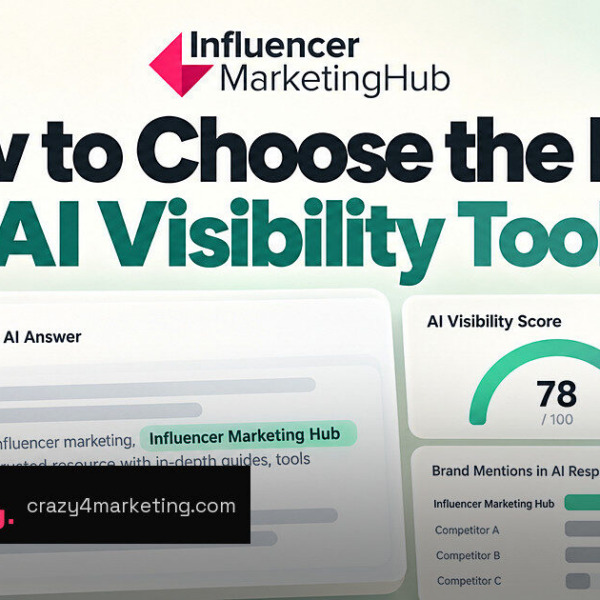
A practical scorecard for choosing AI visibility tools: real interface data, position-weighted metrics, local tracking, and revenue links.
Google confirms disabled source taps on Discover AI summary cards were an experiment bug. Here's what that means for publishers tracking AI visibility.
John Mueller says a flat Google Search Console Page Indexing report is usually not a bug. Indexing changes slowly, and Performance reports move first.
Google's Search Central update pushes platforms to noindex link-shared pages, generated content and web apps by default. Here's what it means for marketers.

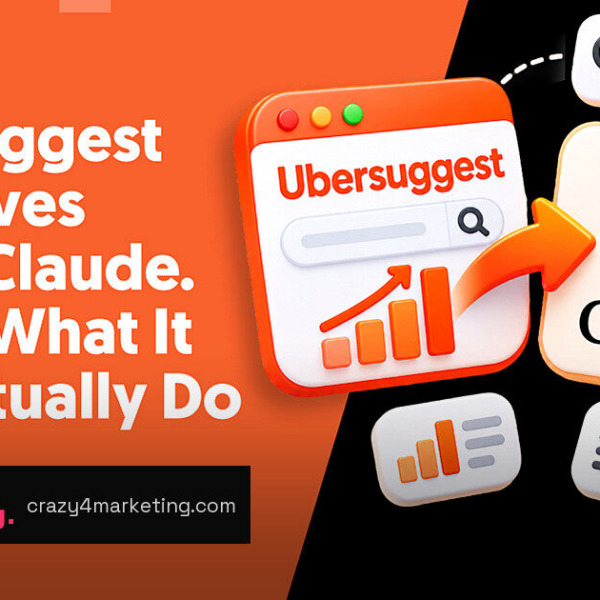
Ubersuggest is now an official Claude connector, letting marketers pull real keyword, competitor, backlink and site-audit data mid-chat.
Marie Haynes has turned roughly 600 OKF markdown files and Gemini 4 Argon into automated, paid SEO audit reports. Here’s how the economics work.

New GA4 data across 100 sites and 145M sessions shows ChatGPT sends 0.62% of Google Organic traffic. The real opportunity is Google's agentic web.
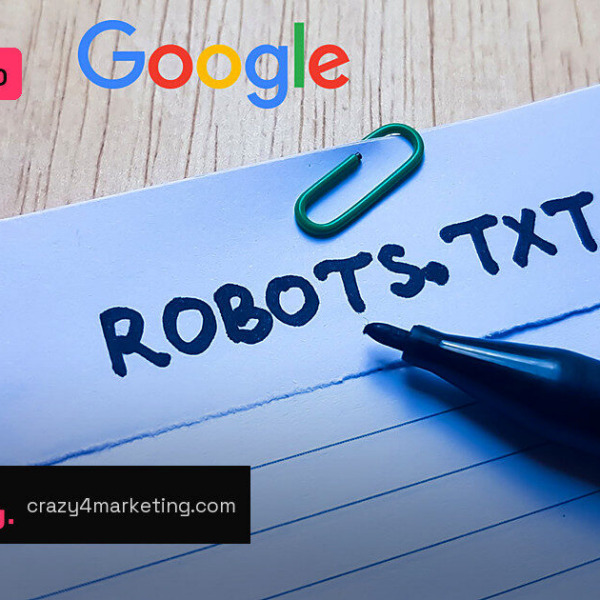
Google's Gary Illyes explains why robots.txt can keep AI crawlers out but cannot stop them from using crawled content for training—and what to do instead.
Google's AI opt-out is live for every site. Being indexed now buys eligibility, not a visit—and the 18.8-point click drop shows why.