
The hook and when it ran
In March 2012, Dollar Shave Club was not a famous brand. It was a startup with one weapon: a launch film in which founder Michael Dubin walks through a warehouse and says razors should cost less. The offer was direct: for $1 a month, blades show up at your door. No retail markup, no locked glass case, no overengineered handle.
The ad ran online as the company opened its doors, and it was written to sell, not just entertain.
How the film was built
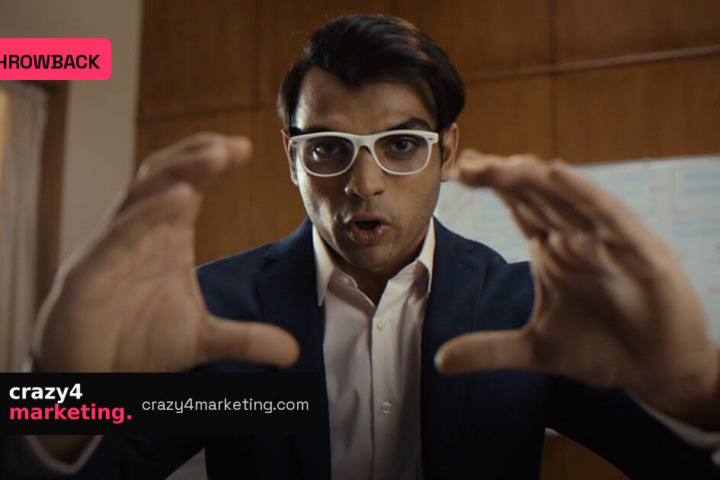
The film was reportedly made for about $4,500. Dubin wrote the script and performed it himself, delivering deadpan one-liners with the rhythm of a comedian, not a brand spokesperson. The camera follows him through the kind of warehouse every startup claimed to have, while absurd visuals make the same point as the copy: shaving has become silly.
The structure is a masterclass in direct response hidden inside a comedy short. Every joke lands on a product truth: blades are overpriced, shopping for them is annoying, and a subscription is the simpler fix. The call to action is not saved for the end. It runs through the whole thing.
Why it spread in its day
People shared the film because it was genuinely funny, but also because the humor made a clear argument. It said what men already believed: razor blades are too expensive. The founder came across as a person, not a corporation. That was unusual in 2012, and it gave the ad a native feel on online video and social platforms.
The numbers from that first week are still cited for a reason. Dollar Shave Club reportedly took around 12,000 orders in the first 48 hours, and traffic to the new site was heavy enough to break it. The video didn’t just create awareness; it created immediate demand.
What it did for the brand
The film gave Dollar Shave Club a category position overnight: the irreverent, affordable alternative to Gillette. It became the brand’s sales pitch, recruiting tool, and media story all at once. Later growth did not depend on repeating the exact joke; it depended on the promise that the video explained so efficiently.
By 2016, Unilever agreed to acquire Dollar Shave Club for a reported $1 billion. The exact long-term return on a $4,500 film is impossible to attribute, but the launch film remains a benchmark for how DTC brands can convert attention into transactions.
Steal this: three moves that still work
The campaign’s mechanics are portable. Here are three places to start:
- Make the offer the punchline. If the product promise is good, say it plainly. Price, delivery, and convenience can be the joke.
- Let the founder be the media. A specific, charming human can outperform a polished brand voice, especially on social video.
- Write for the platform. Dense jokes, fast cuts, and an ask that repeats make a film worth sharing and easy to act on.
Notice what the campaign did not do. It did not hide the subscription, soften the language, or pretend to be a car ad. It treated its target audience as smart and slightly fed up, and that made it easy to root for.
Watch the original: Dollar Shave Club on YouTube