
The hook and when it ran
In January 2019, Gillette did something almost unthinkable for a razor brand: it asked men to examine themselves. The campaign, “We Believe: The Best Men Can Be,” was a direct evolution of the tagline Gillette had used for three decades, “The Best a Man Can Get.”
Created by Grey New York, the film landed in the middle of a cultural flashpoint around #MeToo, bullying, and everyday sexism. Instead of selling a closer shave, it sold a standard. That swap—from product promise to moral challenge—made the ad feel less like marketing and more like a mirror.
How the film was built
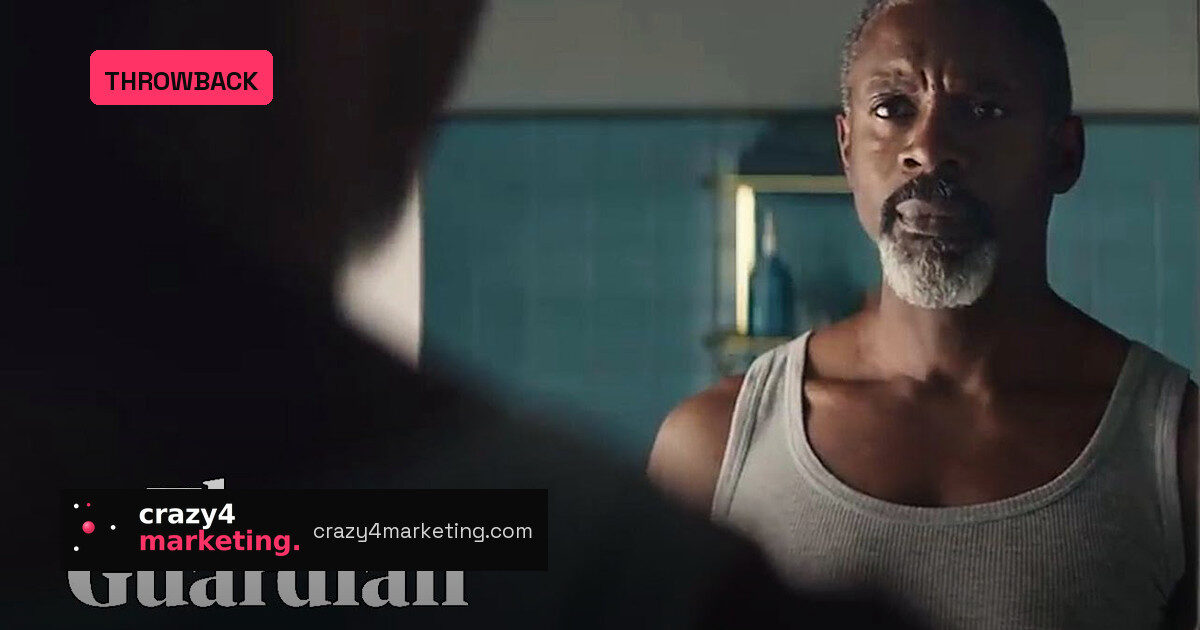
Gillette and Grey didn’t build a typical razor spot. They built a manifesto. The film uses a montage of news clips, real-world scenarios, and ordinary men stepping in to stop bad behavior. It ends with the brand’s revamped line, “The Best Men Can Be,” turning a personal grooming claim into collective responsibility.
The craft is deliberate. The pacing slows where old Gillette ads would have accelerated. The music shifts from ominous to uplifting. The product appears sparingly. This wasn’t about demonstrating blade technology; it was about associating the brand with a moment of accountability.
But the real build was structural: Gillette paired the film with a pledge to donate $1 million per year for three years to nonprofits that help men become better role models. The brand also promised to review its own marketing against stereotypes. That gave the message a mechanism, not just a mood.
Why it spread in its day
It spread because it was impossible to ignore. The film turned a familiar tagline into a thesis about masculinity, and that thesis split audiences down the middle. Some praised Gillette for taking a stand; others accused it of lecturing its customers.
That polarization was the accelerant. Outlets covered the ad as news, not advertising. Pundits debated it. Creators made response videos. The phrase “toxic masculinity” moved from academic circles into everyday conversation. Within days, the film had millions of views and a tide of both likes and dislikes.
What it did for the brand
Commercially, the picture is nuanced. Gillette didn’t post a simple sales spike from the film, and the ad became a lightning rod. Parent company Procter & Gamble held the line publicly, and Gillette kept the new line in its marketing.
The campaign repositioned Gillette as a purpose brand. It won attention and respect in creative circles. It also alienated a segment of buyers who felt the brand was talking down to them. That trade-off still frames debates about brand purpose today.
Steal this: three moves that still work
- Use a legacy asset as a hinge. Gillette didn’t discard its old tagline; it bent it. A slight change in wording created a whole new meaning.
- Make the cultural stance visible in behavior, not just words. The film showed men intervening, not just talking. Concrete acts made the message feel actionable.
- Pair the message with a mechanism. The pledge gave the campaign a tangible commitment beyond the ad.
Purpose without willingness to take heat is just a press release.
Watch the original: Gillette on YouTube