Display & Video 360 is Google’s enterprise demand-side platform, and it’s having a messy Q4. If your team buys on DV360, several defaults you may have relied on just stopped working.
What DV360 actually is
DV360 lets an agency or large advertiser plan, bid, serve and measure display, video, audio, connected TV, digital out-of-home and YouTube from one seat. It’s not Google Ads: there is no self-serve, CPC-first interface, and it buys across Google’s exchange plus dozens of independent sellers.
The account hierarchy is partner, advertiser, campaign, insertion order and line item. Floodlight tags from Campaign Manager 360 feed conversions back into automated bidding, so a line item can chase a target CPA rather than a fixed CPM.
Where supply comes from
DV360 sees four types of inventory:
- Open auction: real-time bidding against all buyers.
- Private auction: publisher-run auctions for invited buyers.
- Preferred deals: fixed price, no volume commitment.
- Programmatic guaranteed: reserved volume and price.
That range is why DV360 matters to performance teams: it is one control point across thousands of publishers and one of only two programmatic routes into YouTube.
The changes hitting buyers now
On October 1, 2026, digital content label exclusions and most sensitive category exclusions stopped working in DV360. They were replaced by three inventory modes – Maximum, Moderate and Limited – and ten content themes. Google did not migrate settings automatically.
Then on October 26, legacy maximum cost-per-view and Video reach 1.0 line items are auto-archived. If you’re still running those, they stop.
Further out, Structured Data Files version 9 sunsets on January 28, 2027. Teams using bulk sheets to edit line items need to migrate their workflow before then.
The cost stack behind the platform
DV360’s bill has four layers: media cost, a platform fee, add-ons and third-party fees. The clearest public figure is the 15% standard display rate Google shared in June 2020; on top of that, a seller ID blocklist adds 1.5% of media cost, and app mediation inventory carries a separate fee since April 2024.
That means $100,000 in media at standard rate can carry a $15,000 platform fee before add-ons and verification. Agencies often log the platform fee as partner cost or Media Fee 1.
Why DV360’s defaults ripple
Google’s own 2018 review reportedly called DBM the largest display buyer on other exchanges, at 20% to 30% of their booked revenue. When DV360 changes a default, sellers feel it everywhere. That scale has drawn antitrust scrutiny: Brussels fined Google €2.95 billion in September 2025, while the US Virginia remedies left DV360 outside the decree.
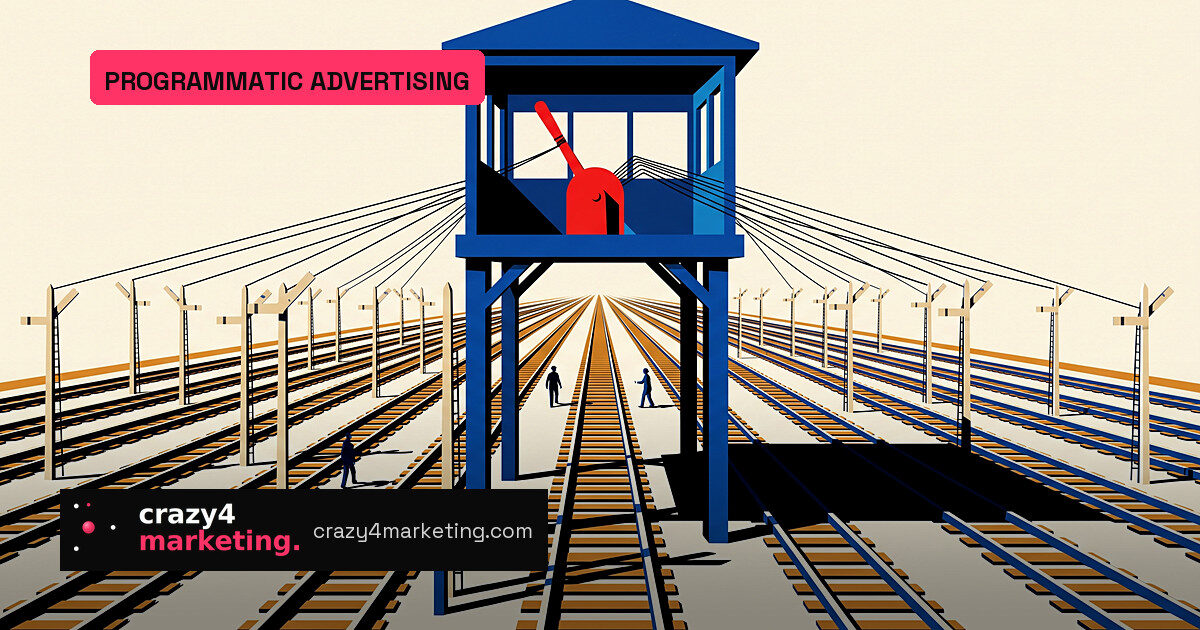
For marketers, the practical lesson is to treat DV360 as an enterprise control tower, not a set-and-forget platform.
Your DV360 Q4 checklist
Rebuild brand safety exclusions into the new inventory modes and content themes now. Audit line items before October 26, and plan your SDF migration before January 28, 2027. Then test Google’s Gemini-powered bidding or Ads Advisor against a controlled baseline before scaling.
Source: PPC Land